

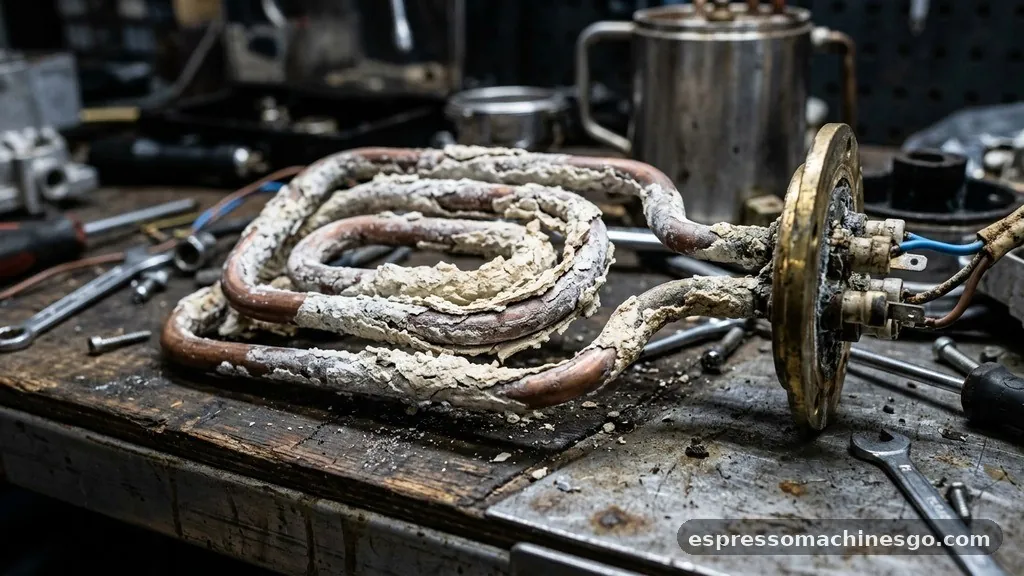
Maintaining your espresso equipment is not just about keeping it clean; it is about preserving the mechanical integrity of your investment. If you are wondering how to descale espresso machine systems properly, you are likely noticing a decline in coffee quality or a sluggish flow rate. Over time, the water you use, regardless of how clean it appears, contains dissolved minerals like calcium carbonate and magnesium.
As these minerals are heated within the boiler or thermoblock, they precipitate out of the solution, forming stubborn scale deposits that coat the internal plumbing. This mineral buildup acts as an insulator, forcing your heating element to work harder, and eventually, it can restrict the internal pathways, leading to a catastrophic drop in pump pressure. By performing a regular descaling cycle, you ensure that your machine continues to pull the perfect shot while extending the lifespan of sensitive components like the solenoid valve and the group head.
Why Mineral Buildup Destroys Espresso Quality
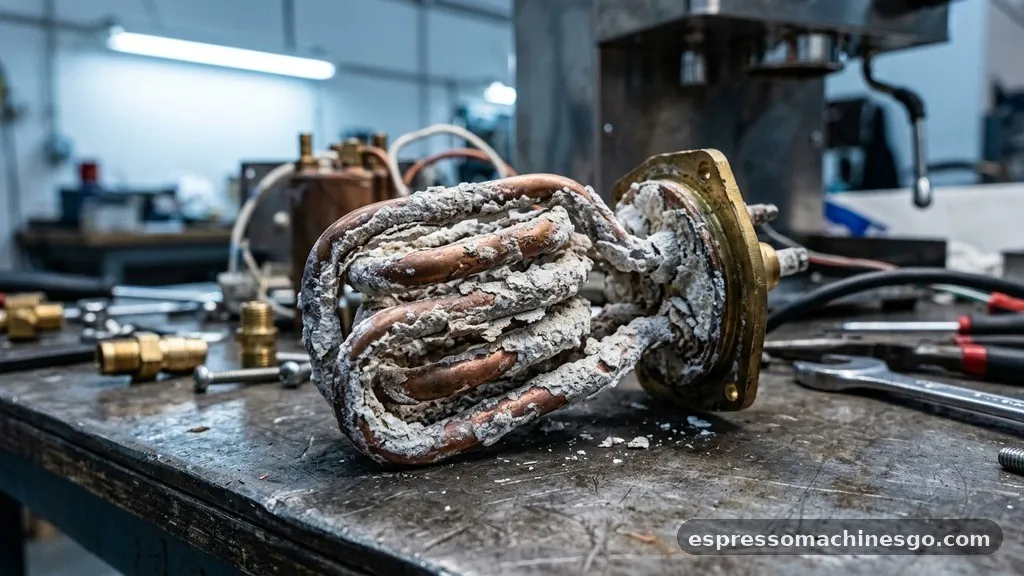
The primary enemy of any high-end coffee equipment is the invisible accumulation of minerals. When you heat water, the chemical equilibrium shifts, causing dissolved solids to bond to the metallic surfaces of your machine’s interior.
This process is accelerated by high water hardness. If you live in an area with “hard” water, your machine will require more frequent maintenance than one supplied by a soft water source.
When scale deposits accumulate, they create a thermal barrier between the water and the heating element. This means the machine takes longer to reach the optimal brewing temperature, and the temperature stability during the shot becomes erratic. Furthermore, these deposits can break off and enter the group head, clogging the tiny holes in your shower screen or interfering with the mechanical action of the solenoid valve.
This results in an uneven extraction, where the flow rate is inconsistent, leading to sour or bitter shots that lack the rich crema you expect. Beyond the taste, ignoring this buildup can eventually lead to a total blockage of the boiler, which is often an expensive, if not terminal, repair for most home espresso machines.
Understanding the Best Descaling Agents
Choosing the right descaling agent is a common point of confusion for many home baristas. While some people swear by household pantry staples, professionals generally caution against them. The goal of a descaling solution is to dissolve mineral bonds without damaging the internal gaskets, sensors, or metal surfaces.
The Risks of Vinegar and Other Acids
One of the most frequently asked questions is whether you can use white vinegar to clean your machine. While vinegar contains acetic acid, which is effective at dissolving limescale, it is notoriously difficult to rinse out completely. The lingering scent and taste of vinegar can contaminate your coffee for weeks. More importantly, the acidity of vinegar can be too harsh for the rubber seals and internal plastic components found in many modern espresso machines. Repeated exposure can lead to vinegar damage, causing seals to degrade or crack, which eventually leads to internal leaks.
For a safer, more effective approach, stick to specialized solutions or food-grade acids. Many commercial descalers are based on citric acid or tartaric acid, which are specifically formulated to target mineral buildup while remaining gentle on the machine’s internal architecture.
These products are engineered to be easily flushed away during the rinse cycle, ensuring that your next cup of coffee tastes exactly as it should—like coffee, not cleaning solution. You can find more detailed information on water quality and chemical interactions through the Environmental Protection Agency’s water safety resources regarding mineral content in municipal supplies.
Step-by-Step Guide to the Descaling Process
To perform a proper descaling cycle, you should always begin by consulting your specific manufacturer manual. While the general principles remain the same, every machine has a unique internal layout and software procedure. Some machines feature a dedicated descaling indicator that lights up when it is time to perform maintenance, while others require you to track the usage yourself.
Preparation and Initial Setup
Before you begin, remove any internal water filter from the water reservoir. Descaling solution can permanently damage the media inside these filters, making them ineffective for future use. Ensure that the portafilter is removed, as you do not want scale particles becoming trapped in the filter basket or the spout during the cleaning process.
The following table outlines the general sequence of events for most machines:
| Step | Action | Purpose |
|---|---|---|
| 1 | Empty Reservoir | Remove old water and debris. |
| 2 | Mix Solution | Combine descaling agent with fresh water. |
| 3 | Run Cycle | Circulate acid through the boiler/thermoblock. |
| 4 | Dwell Time | Allow the acid to break down stubborn scale. |
| 5 | Rinse Cycle | Flush all chemical residue from the system. |
Addressing Common Topical Gaps in Maintenance

Many users struggle with the nuances of espresso machine maintenance that go beyond the basic descaling procedures. For instance, what do you do if your machine is already severely clogged? If the flow rate is already near zero, a standard descaling cycle may not be enough.
In such cases, the scale has likely formed a physical bridge that prevents the liquid from passing. You may need to perform a “soak” where you fill the system with the solution and let it sit for a longer duration—sometimes up to an hour—before purging it. However, caution is required; letting an acidic solution sit too long can cause issues with sensitive electronics if there is a leak.
Another gap concerns the difference between coffee oils and mineral scale. Descaling removes minerals, but it does not remove coffee oils.
You must separately clean your portafilter and group head using a backflushing detergent if your machine supports it. If you only descale but never backflush, you will still end up with a bitter, rancid-tasting coffee, as the oils will build up in the dispersion screen and affect the flavor profile of every shot.
Frequency and Proactive Prevention
How often you should descale depends heavily on your usage patterns and the alkalinity of your local water. As a general rule of thumb, if you are not using a high-quality water filtration system, you should aim to descale every two to three months. If you are a heavy user who pulls multiple shots daily, you might need to shorten this interval.
- Use filtered or bottled water with a balanced mineral profile to significantly slow down scale buildup.
- Always empty the water reservoir at the end of the day to prevent bacterial growth and stagnant water mineral concentration.
- Monitor your pump pressure; if it starts to sound louder or more strained than usual, it is likely time for maintenance.
- Keep your group head wiped clean after every session to prevent oils from hardening into a crust that traps further scale.
By adopting these proactive habits, you reduce the frequency with which you need to subject your machine to the harsh chemical process of descaling. Prevention is always superior to repair. When you do descale, ensure you follow the rinse cycle steps precisely; most machines require at least two full reservoir tanks of fresh water to ensure that no acidic residue remains in the boiler or tubing.
Troubleshooting Post-Descaling Issues
Even with the most careful process, you might encounter minor issues after a deep clean. Occasionally, a piece of dislodged scale may find its way into the flow meter or the solenoid, causing the machine to pulse or fail to dispense water.
If this happens, don’t panic. Often, running a few more cycles of fresh water can dislodge the debris.
If the machine continues to behave erratically, check the water reservoir connection. Sometimes, the act of removing and replacing the tank during the cleaning process can unseat the valve, causing an air lock. Simply reseating the tank or ensuring the intake nozzle is clear of debris usually resolves this.
If you notice a persistent leak from the bottom of the machine, it is possible that the rubber seals have been compromised by the acid or that the descaling process simply exposed a seal that was already failing. In this case, professional service may be required to replace the internal gaskets.
Frequently Asked Questions
Is it safe to use vinegar for descaling?
It is generally not recommended. While vinegar contains acetic acid and can remove some limescale, it is difficult to rinse thoroughly and leaves a lingering odor. Furthermore, its acidity can damage the rubber seals and internal components of modern espresso machines, potentially causing leaks over time.
How do I know when it is time to descale?
Most modern machines have a built-in descaling indicator light that alerts you based on usage. If your machine lacks this, monitor for signs such as a slower flow rate, louder pump noise, or coffee that tastes consistently bitter or sour due to improper water temperature.
Can I use citric acid instead of commercial descalers?
Yes, food-grade citric acid is a common and effective alternative to proprietary descaling solutions. Ensure you mix it with water in the correct ratio as specified by your machine’s manual. It is generally safer for internal components than vinegar and rinses out much more cleanly.
How often is descaling actually required?
The frequency depends on your water hardness and usage. If you use hard tap water, you may need to descale every two months. If you use filtered or soft water, you might only need to perform the process every four to six months to keep the machine in peak condition.