
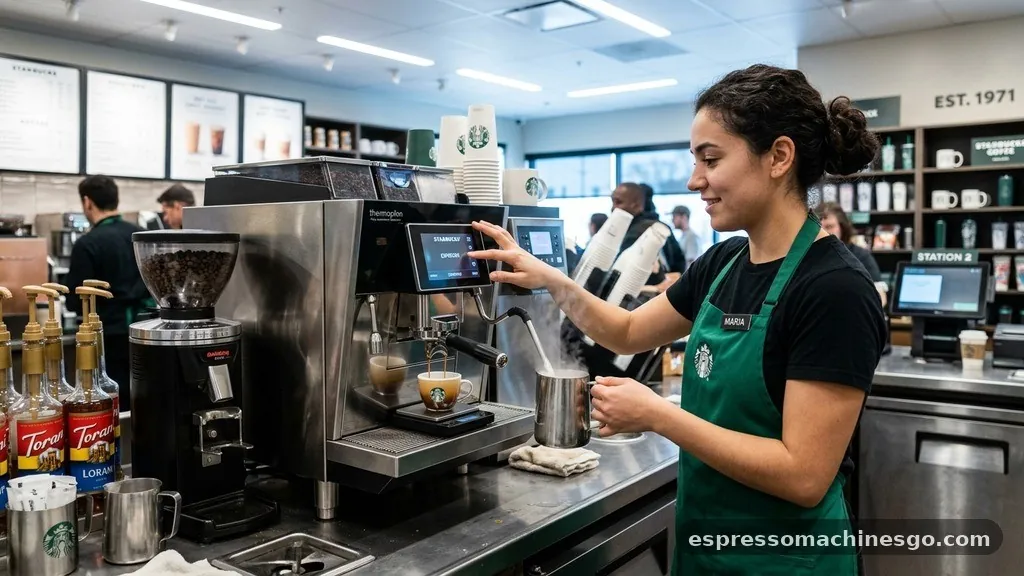
Walk into any coffee shop under the iconic siren logo, and you will notice a consistent, rhythmic sound of grinding and steaming. The backbone of this global operation is the espresso machine, a specialized piece of commercial technology that has evolved significantly over the decades. If you have ever wondered what espresso machine does Starbucks use, you are looking at the Mastrena II, a highly sophisticated, automated system designed specifically to meet the high-volume demands of their retail locations.
For years, many coffee enthusiasts associated the brand with the artisanal, manual-lever style of the La Marzocco machines. However, as the company scaled, they shifted toward fully automatic systems to ensure that a latte in Seattle tastes identical to one in London.
This shift was not merely about speed; it was about maintaining a standard of quality that remains consistent regardless of which barista is behind the counter. Understanding the mechanics behind this equipment offers a fascinating glimpse into how a massive global chain manages to produce millions of shots of espresso every single day without sacrificing the core profile of their signature Starbucks espresso.
The Evolution of Starbucks Brewing Technology
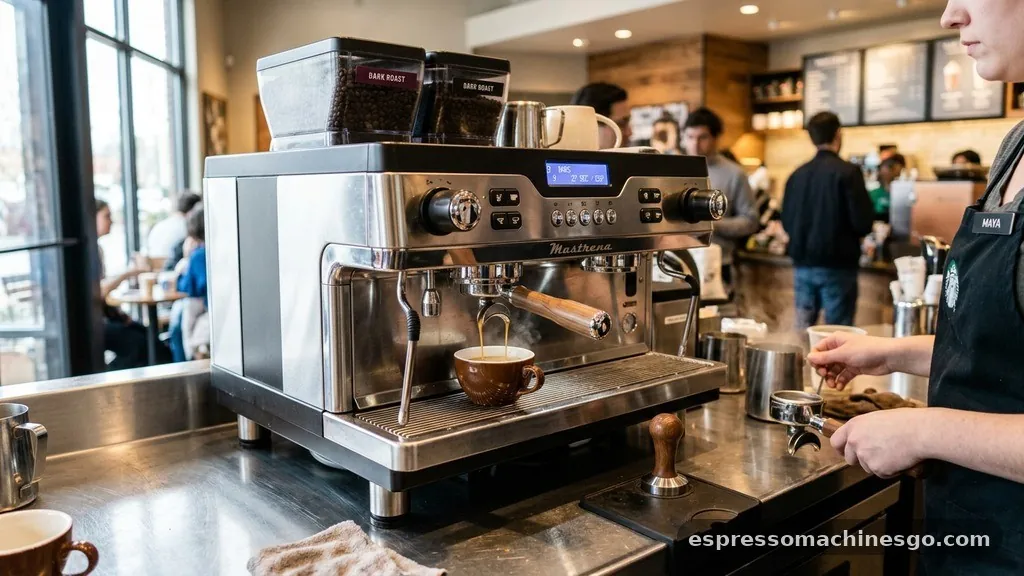
The journey of the equipment found behind the counter is a story of efficiency meeting precision. In the early days, the chain relied on traditional, manual machines that required a skilled hand to pull the perfect shot.
As the company expanded globally, they realized that training thousands of employees to master the nuance of manual tamping and pressure control was not sustainable. This led to a partnership with Thermoplan, a Swiss manufacturer known for its expertise in automated coffee systems.
The move to the Mastrena espresso line allowed the company to standardize its workflow. These machines Starbucks currently uses are not your typical home espresso maker; they are high-tech, integrated units that handle the entire brewing process with the press of a button.
By automating the extraction, the company ensures that the coffee beans are ground, tamped, and brewed at the exact pressure and temperature required for their specific roast profile. This transition marked a turning point in the industry, proving that automation could indeed deliver a reliable product at scale.
Inside the Mastrena II: How It Works
The Mastrena II is the current workhorse of the company, and it is a marvel of engineering. Unlike a standard espresso machine that might take up significant counter space, these units are designed to be compact and low-profile. This is a deliberate design choice: by lowering the height of the machine, baristas can maintain eye contact with customers across the counter, fostering a more personal connection.
When a barista selects a drink, the machine begins a series of complex internal tasks. It draws water from a filtered supply, grinds the beans to a precise micron level, and tamps the coffee bed with consistent force. The extraction process is monitored by sensors that adjust for flow rate, ensuring that the espresso shot is balanced.
If the machine detects that the shot is running too fast or too slow, it can make micro-adjustments to the grind size automatically. This level of calibration is why the flavor profile remains so consistent, even during the busiest morning rushes. You can read more about the history and development of these systems at the official company website to see how they highlight their commitment to brewing technology.
Why Starbucks Chose Automated Systems
The primary reason for using these specific espresso machines is consistency. In a manual setup, human error is an inherent variable.
A barista might tamp the coffee too lightly, or perhaps the grind size drifts throughout the day due to changes in humidity. In a high-volume environment, these small inconsistencies compound, leading to a product that varies from cup to cup.
By using an automated system, the company removes the variability of the human hand. The machine handles the grinder settings, the water temperature, and the extraction time.
This allows the staff to focus on the customer experience—steaming the milk, assembling the beverage, and managing the workflow—rather than worrying about the technicalities of shot extraction. It is a system designed for high-throughput service, ensuring that wait times are minimized while the quality of the cappuccino or latte remains within a tight tolerance range.
The Role of Milk and Steam in the Workflow
While the espresso extraction is fully automated, the steaming of milk remains a critical part of the process. The steam wand on the Mastrena is designed to be user-friendly, allowing baristas to texture milk efficiently. Unlike some super-automatic machines that automate the milk frothing entirely, the company keeps this step manual to allow for the creation of foam patterns and to cater to specific customer preferences for milk temperature.
The frother integrated into the machine is powerful, capable of producing a silky micro-foam in seconds. This is essential for the variety of beverages on the menu, from flat whites to macchiatos.
The barista uses the steam arm to heat and aerate the milk, which is then poured over the shots. This hybrid approach—combining automated espresso extraction with manual milk texturing—is the secret sauce that allows the chain to maintain its identity as a “coffee house” rather than just a vending machine.
Comparing Commercial vs. Home Espresso Equipment
It is a common question among enthusiasts: can you get the same result at home? The reality is that the Mastrena machine is proprietary technology.
You cannot simply walk into a store and purchase one for your kitchen. Commercial machines are built for thousands of cycles per week, featuring industrial-grade components that would be overkill for a typical home setup.
Key Differences in Espresso Equipment
| Feature | Commercial (Mastrena) | Home Espresso Maker |
|---|---|---|
| Throughput | High (Constant use) | Low (Occasional use) |
| Grinder | Integrated, self-adjusting | Separate or built-in, manual |
| Maintenance | Daily automated cleaning | Manual backflushing |
| Pressure | High-stability PID control | Variable/Manual |
The table above illustrates why achieving the exact same taste at home is difficult. The commercial equipment is tuned to a very specific set of parameters, including water filtration and pressure stability, that are difficult to replicate without significant investment. Furthermore, the coffee beans used in the retail stores are roasted specifically for these machines, meaning the flavor profile is optimized for a high-pressure, automated extraction.
Addressing Topical Gaps: Common Misconceptions
There is a frequent misunderstanding that the company uses standard off-the-shelf equipment. Many people assume they can find a machine that mimics the taste by buying a high-end super-automatic device. While you can certainly get close, there are technical nuances that remain elusive.
Do they still use manual machines?
The company has largely phased out traditional manual lever machines in favor of the Mastrena II. While they may use manual equipment in specialized “Reserve” locations, the vast majority of their global footprint relies on the automated Swiss-made systems.
Can you replicate the taste at home?
To replicate the taste, you need more than just the machine. You need the specific bean roast, the correct water chemistry, and a grinder capable of the same precision. Most people find that by using a high-quality burr grinder and fresh beans, they can create a drink that is similar in quality, even if the specific chemical extraction profile differs slightly from the retail version.
Is the machine the only factor in flavor?
Absolutely not. The water quality, the freshness of the beans, and the milk temperature are just as important as the machine itself. The equipment is simply a tool to facilitate the consistent application of these variables.
Maintenance and Sustainability
One of the most impressive aspects of the Mastrena machine is its self-maintenance capability. These units are programmed to perform automated cleaning cycles throughout the day.
This prevents the buildup of coffee oils and mineral deposits, which would otherwise degrade the flavor of the espresso. For a company that serves millions of customers, this automated maintenance is essential for operational efficiency.
Furthermore, these machines are designed to be energy-efficient. They utilize advanced heating elements that only engage when needed, rather than keeping a large boiler at high heat all day long. This focus on sustainability and efficiency is part of the broader corporate strategy to reduce the environmental footprint of their thousands of locations worldwide.
Final Thoughts on the Starbucks Brewing Standard
When you ask what espresso machine does Starbucks use, you are really asking about the company’s commitment to scale and consistency. The Mastrena II is not just an appliance; it is a sophisticated system that integrates grinding, tamping, and brewing into a single workflow. By removing the guesswork from the extraction process, the company ensures that every customer receives a consistent cup of coffee, regardless of the location.
While the allure of the manual barista experience remains strong in the specialty coffee world, the success of the chain proves that automation is a powerful tool for quality control. Whether you prefer the hands-on approach of a manual machine or the reliability of an automated one, there is no denying that the equipment used by the siren-branded giant has fundamentally changed how the world experiences espresso.
Frequently Asked Questions
What brand of espresso machine does Starbucks use?
Starbucks primarily uses automated espresso machines manufactured by the Swiss company Thermoplan. Their current flagship model is the Mastrena II, which was designed specifically for their retail stores to ensure consistent espresso shot quality across all global locations while maintaining a compact, low-profile footprint.
Can I buy a Starbucks espresso machine for my home?
No, you cannot buy a Mastrena machine for home use. These units are proprietary, commercial-grade equipment built specifically for high-volume retail environments and are not sold to the general public. They require specialized service contracts and maintenance protocols that are not suitable for a domestic kitchen.
Why does the coffee taste different at home?
The taste difference is due to a combination of factors, including the specific commercial-grade equipment, the precise water filtration systems used in stores, the proprietary roast profiles of the beans, and the high-speed, automated calibration of the grind and pressure that is difficult to perfectly replicate at home.
Does Starbucks use manual machines at all?
In their standard retail locations, they exclusively use automated systems. However, in specialty locations like their Reserve Roasteries, they may utilize a variety of brewing methods, including manual espresso machines, to showcase different coffee preparation techniques and provide a more artisanal experience for coffee enthusiasts.