
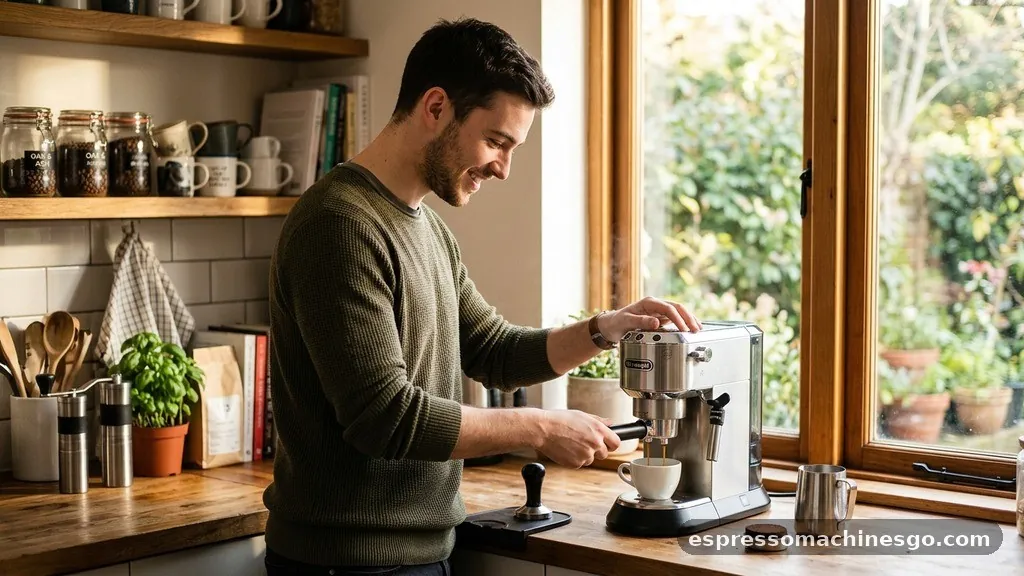
Deciding whether DeLonghi is a good espresso machine brand is a common dilemma for coffee enthusiasts transitioning from drip coffee to authentic barista-style beverages. With a legacy spanning over a century, the Italian manufacturer has established a dominant presence in the global market, offering everything from entry-level manual espresso makers to high-end fully automatic systems. Whether you are chasing the perfect morning shots or looking to master the art of micro-foam texturing, the brand provides a diverse range of hardware designed to suit various skill levels and budgets.
The Reputation of DeLonghi in the Coffee Industry
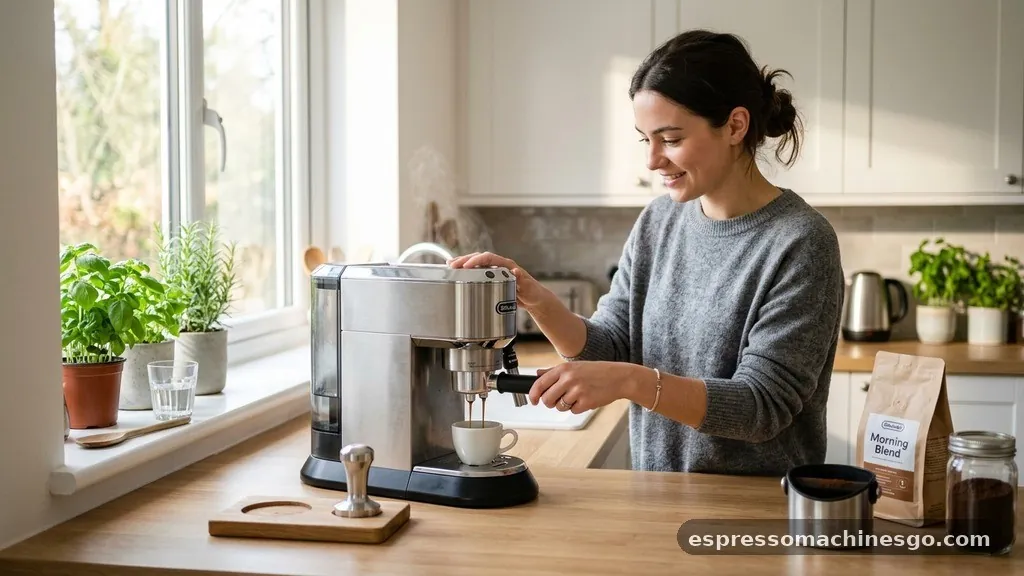
DeLonghi maintains a strong reputation because it consistently balances accessibility with performance. When you ask if DeLonghi is a good espresso machine, the answer often depends on how much control you want over your extraction.
The company excels at producing reliable, user-friendly appliances that democratize the home cafe experience. Unlike niche luxury brands that might cost as much as a used car, DeLonghi focuses on the everyday consumer who wants a good cup of coffee without needing a degree in brewing science.
Their manufacturing philosophy centers on durability and consistency. Most models utilize high-quality thermoblock heating systems or dual boilers, ensuring that the water reaches the precise temperature required for optimal extraction. Furthermore, the brand’s extensive distribution network means that replacement parts and service support are significantly more accessible than those of smaller, boutique manufacturers.
This reliability is a critical factor for home users who plan to use their machine daily. By streamlining the interface, they allow users to make complex drinks with the simple touch of a button, effectively bridging the gap between convenience and quality.
Manual vs. Fully Automatic: Choosing Your Brewing Style
The brand offers two distinct tiers of equipment, and your satisfaction will largely hinge on choosing the right category for your lifestyle. For those who love the tactile process of grinding beans, tamping, and monitoring pressure, a manual espresso machine is the ideal choice.
These units typically feature a standard filter basket and a portafilter, giving the user total command over the extraction process. Conversely, the fully automatic line, such as the famous Magnifica series, is designed for those who prioritize speed and consistency.
In a fully automatic system, the internal grinder processes the beans, doses the coffee, and pulls the shot automatically. This is perfect for busy mornings where you need high-quality caffeine without the manual labor.
Many of these machines also include integrated systems to steam milk, allowing you to create lattes and cappuccinos without manually operating a steam wand. If you are a beginner, starting with an automatic unit can help you learn the flavor profiles you prefer before graduating to more hands-on equipment.
Performance and Build Quality Analysis
When evaluating the longevity of these devices, it is helpful to look at how they handle thermal stability and pressure. A high-quality machine must maintain consistent pressure throughout the brew cycle to prevent sour or bitter shots.
DeLonghi utilizes robust pumps that generally deliver the industry-standard 15 bars of pressure. While some enthusiasts argue that 9 bars is the “sweet spot” for extraction, the 15-bar pumps found in these machines are designed to compensate for the resistance of the filter basket, ensuring that the water flows through the puck in the exactly way required for a rich crema.
The build materials vary by price point. Their entry-level models often utilize high-impact plastics, which are lightweight and easy to clean. As you move up to the DeLonghi Specialista or similar premium ranges, you encounter heavy-duty stainless steel components that retain heat better and provide a more professional aesthetic.
These premium models are specifically engineered for the home barista who wants to experiment with different bean origins and roast profiles. The internal plumbing and solenoid valves are also built to withstand years of descaling cycles, provided the user follows the maintenance guidelines.
| Feature | Manual Machines | Fully Automatic Machines |
|---|---|---|
| Ease of Use | Moderate to High | Very High |
| Customization | Full Control | Preset Options |
| Maintenance | Simple | Requires Regular Cleaning |
| Ideal User | Coffee Hobbyist | Busy Professional |
Addressing Topical Gaps: Common User Concerns
One common question is how these machines compare to the competition, particularly regarding Breville. While Breville is often praised for its intuitive, modern design and advanced PID temperature control, DeLonghi remains the leader in terms of longevity and parts availability. Many users find that while a Breville might offer slightly more “out of the box” precision, a DeLonghi is often easier to repair and maintain over a five-year period.
Another gap in knowledge involves the ability to brew cold brew or iced drinks. While most espresso machines are built for hot extraction, many modern DeLonghi models feature adjustable temperature settings that can be lowered to help manage the acidity of iced beverages, though they do not perform true cold-steeped extraction.
Another frequent concern is whether these machines can produce authentic cafe-quality foam. The brand’s panarello wands are designed to inject air into milk automatically, which is fantastic for beginners. However, for those who want to practice latte art, the manual steam wands found on their higher-end models allow for the silky, micro-foam texture required for pouring hearts and rosettas.
Understanding that the brand caters to both the “push-button” crowd and the “hobbyist” crowd is the key to appreciating their versatility. You can find more detailed technical specifications on the official DeLonghi website to see which specific series aligns with your kitchen setup.
Maintenance and Long-Term Reliability
To ensure your machine remains a good investment, you must adhere to a strict cleaning schedule. Espresso machines are susceptible to mineral buildup, which can clog internal valves and ruin the flavor of your coffee.
Most DeLonghi units feature automated descaling programs that guide you through the process, making it much less of a chore than it sounds. If you live in an area with hard water, using a filtered water pitcher or an in-tank softener is a non-negotiable step to extend the life of the heating element.
Daily maintenance is equally important. After every use, you should purge the steam wand and wipe down the group head to prevent old grounds from accumulating. For models with a built-in grinder, ensure that you clear the hopper occasionally to prevent old oils from becoming rancid.
By treating your machine with care, you can easily expect it to provide high-quality service for five to seven years, or even longer with occasional professional servicing. The internal components are modular, which is a major advantage for those who are handy and prefer to perform their own minor repairs rather than replacing the entire unit.
Customization and Advanced Brewing Features
Modern users often demand more than just a standard espresso. The demand for recipes that go beyond the basic shot has led the brand to incorporate advanced preset menus into their machines. You can now adjust the strength, volume, and temperature of your drink with a simple interface.
Whether you want a concentrated ristretto or a long, Americano-style cup, the machine remembers your preferences. Some of the newer duo heating models even allow you to steam milk and pull a shot simultaneously, which saves significant time during the morning rush.
The ability to experiment is what makes these machines so addictive. Once you find a bean you love, you can tweak the grind size and dose to highlight specific flavor notes, such as berry-like acidity or deep chocolate undertones.
This level of granular control is usually reserved for commercial equipment, but DeLonghi has successfully brought it into the home. Even if you are not an expert, the machines are designed to “grow” with you; you can start by using the preset buttons and eventually move to manual settings as your palate develops.
Conclusion: Is the Brand Right for You?
Ultimately, determining whether DeLonghi is a good espresso machine comes down to your personal brewing philosophy. If you value a machine that is dependable, widely supported, and capable of producing cafe-standard drinks with minimal fuss, then the brand is an excellent choice.
They have mastered the art of the automatic espresso experience while still providing enough depth for those who want to explore the craft. From the entry-level manual espresso setups to the top-tier, bean-to-cup systems, the brand offers a level of consistency that few others can match.
If you are looking to make your home kitchen a sanctuary for caffeine lovers, investing in one of these machines is a logical step. They remove the barrier to entry for high-quality coffee and allow you to enjoy your favorite cafe drinks without the daily expense. As you begin your journey, remember that the machine is only one part of the equation; pairing it with fresh, high-quality beans and a consistent routine will yield the results you crave.
Frequently Asked Questions
How long do DeLonghi espresso machines typically last?
With proper maintenance and regular descaling, these machines are built to last between five and seven years. Their modular design allows for easier repairs compared to many competitors, meaning that with basic care and occasional part replacements, they can remain functional in your kitchen for nearly a decade.
Are DeLonghi machines better than Nespresso?
It depends on your goals. Nespresso machines use pre-packaged pods for maximum convenience and minimal cleanup. DeLonghi espresso machines use fresh ground beans, offering superior flavor, better crema, and the ability to customize your drink’s strength and temperature, making them better for those who prioritize coffee quality over speed.
Can I use oily beans in a DeLonghi automatic machine?
It is generally recommended to avoid very oily, dark-roast beans in machines with built-in grinders, as the oils can clog the mechanism over time. Use medium-roast beans for the best results and to prevent residue buildup, which helps keep the grinder running smoothly for many years.
Is it difficult to learn how to use a DeLonghi machine?
Not at all. Most models are designed with user-friendly interfaces and clear instructions. Entry-level machines are very intuitive, while the fully automatic versions handle almost everything for you. Beginners can easily pull a great shot within their first few attempts by following the provided quick-start guides.