

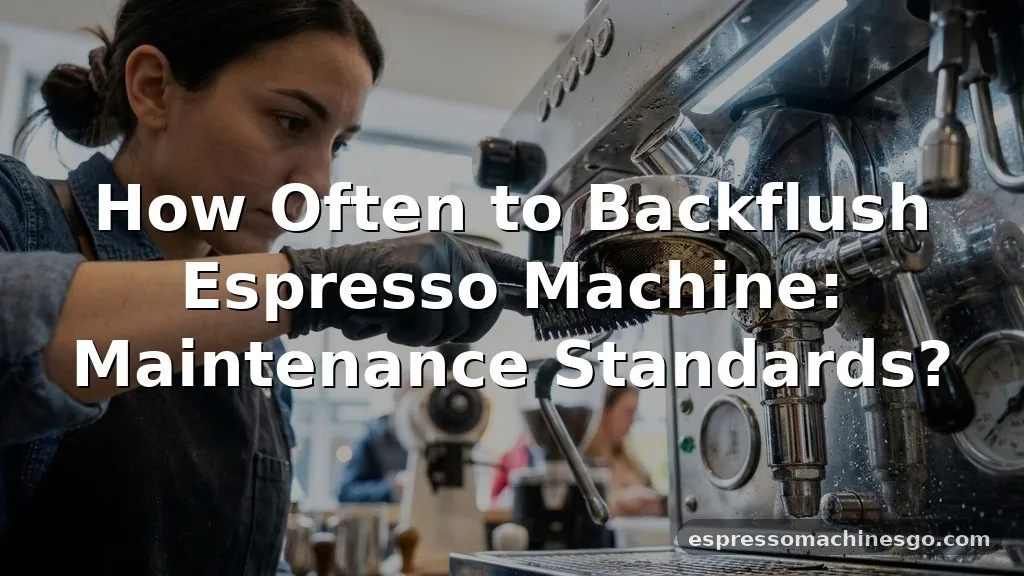
Maintaining a pristine espresso machine is the difference between a café-quality morning ritual and a bitter, sour, or metallic cup of disappointment. When you ask how often to backflush espresso machine components, the answer depends heavily on your daily volume, but the fundamental requirement for hygiene remains universal.
A backflush is the process of forcing water (often mixed with a specialized detergent) back through the group head and the three-way solenoid valve to dislodge built-up coffee oils, fine grounds, and mineral deposits that accumulate in the hidden channels of your machine. Neglecting this maintenance routine can lead to restricted flow, uneven extraction, and a lingering rancid flavor that no amount of expensive beans can mask.
The Importance of Regular Cleaning Cycles
Understanding the mechanics of your machine is essential to grasping why routine maintenance is mandatory. During a standard brew cycle, high-pressure water travels through the portafilter, saturates the coffee puck, and exits through the shower screen. However, as the pump shuts off, a small amount of coffee-infused water is often pulled back into the group head assembly.
Over time, these coffee oils oxidize, creating a sticky, dark residue that coats the internal surfaces of the group. If you fail to backflush regularly, this residue becomes a breeding ground for bacteria and creates a physical barrier that restricts water flow.
When you perform a backflush, you are essentially reversing the flow of water to purge these internal components. By using a blind basket—a metal filter with no holes—you create a sealed environment that forces pressurized water to travel back through the discharge valve. This process effectively scours the internal piping, ensuring that every subsequent shot you pull tastes clean and vibrant.
Without this intervention, your machine’s performance will degrade, eventually leading to a failure of the solenoid valve, which is an expensive and preventable repair. Consistent maintenance is the primary way to extend the lifespan of an espresso machine.
Establishing a Maintenance Schedule
Determining how often to backflush espresso machine hardware requires a split approach: daily rinsing and periodic deep cleaning. For most home baristas, a simple water-only flush at the end of every day is sufficient to keep the machine running smoothly.
However, if you are pulling more than three or four shots daily, you should introduce a chemical cleaning agent into your routine to break down stubborn oils. Many manufacturers suggest using a professional-grade cleaner—such as Cafiza or similar espresso machine detergents—to ensure the internal surfaces are truly sanitized.
To simplify your routine, consider the following frequency guide based on usage intensity:
- Light use (1-2 shots daily): Perform a plain water backflush daily; use detergent once every two weeks.
- Moderate use (3-5 shots daily): Perform a plain water backflush daily; use detergent once a week.
- Heavy/Commercial use: Perform a detergent backflush at the end of every shift or business day.
Adhering to these intervals prevents the buildup from hardening into a substance that requires professional descaling or mechanical disassembly. If you notice your machine struggling to produce a steady stream of water or if the pressure gauge fluctuates unexpectedly, it is a clear sign that you have waited too long between cycles.
How to Perform a Proper Backflush
The process of backflushing is straightforward, but it must be done with precision to avoid damaging your equipment. Start by inserting your blind basket into the portafilter. If you are using a detergent, add a small amount—usually less than a half-teaspoon—directly into the basket.
Lock the portafilter into the group head as if you were preparing to pull a shot. Activate the pump for approximately 5 to 10 seconds, then turn it off. You will hear a distinct “whoosh” sound as the pressurized water and cleaning solution are forced through the solenoid valve and into the drip tray.
Repeat this activation cycle four to five times. After the final cycle, remove the portafilter and rinse it thoroughly with hot water. It is critical to perform a few additional “blank” cycles without the detergent to ensure that no chemical residue remains in the group head.
If you leave chemical traces behind, your next cup of coffee will have a harsh, soapy aftertaste that ruins the experience. Always check your specific machine manual, as some models have specific requirements regarding pump duration or the types of cleaning powders that are safe for internal seals and gaskets.
Addressing Topical Gaps: Common Misconceptions
A common point of confusion among enthusiasts is whether backflushing is necessary for machines that lack a three-way solenoid valve. If you own a entry-level machine that uses a simple pressurized basket system or a vibration pump without an exhaust valve, you cannot “backflush” in the traditional sense because there is nowhere for the water to vent.
In these instances, focusing on scrubbing the shower screen and soaking the portafilter in a cleaning solution is the correct alternative. Another frequent question is whether the “10-second rule” applies to backflushing; while some sources suggest a 10-second activation, most experts recommend shorter intervals (5-7 seconds) to prevent excessive pressure buildup that could damage the pump or internal seals.
Furthermore, many users worry that using a cleaner too often will strip the lubrication from the valve. While this is technically possible if you use excessive amounts of harsh chemicals, following the recommended weekly or bi-weekly schedule with a pH-balanced espresso machine cleaner is perfectly safe.
The primary risk to your machine isn’t the cleaning process itself, but the accumulation of coffee sludge that eventually causes the valve to stick in the open or closed position. Preventative maintenance is always cheaper than replacing internal components.
Comparing Maintenance Requirements by Machine Type
Not all espresso machines are built to withstand the same cleaning rigors. High-end prosumer machines, such as those from Rocket or Profitec, are designed for frequent backflushing and often feature robust commercial-grade valves.
Conversely, compact consumer machines often have smaller, more delicate components that require a gentler touch. The following table provides a high-level comparison of maintenance needs based on typical machine construction:
| Machine Tier | Backflush Frequency | Cleaning Agent Use |
|---|---|---|
| Entry-Level (Home) | Weekly (Water Only) | Monthly |
| Prosumer (Heat Exchanger) | Daily (Water Only) | Weekly |
| Commercial/Professional | End of Shift | Daily |
Understanding where your machine fits on this spectrum allows you to tailor your maintenance routine. If you are using an entry-level machine, you might find that frequent backflushing with harsh chemicals is overkill and may actually accelerate the wear of rubber gaskets. Conversely, if you are running a high-end machine, skipping the weekly detergent flush will lead to a noticeable drop in coffee quality within just a few days of heavy use.
The Long-Term Impact of Hygiene on Flavor
The relationship between a clean machine and a superior flavor profile cannot be overstated. Coffee contains volatile oils that begin to break down the moment they are exposed to air and heat. When these oils accumulate inside the group head, they turn rancid.
Even if you use the finest specialty-grade beans, the residual “funk” of old, oxidized oils will contaminate every extraction. This is why a machine that has been properly backflushed produces a clean, sweet, and complex cup, while a neglected machine produces a muddy, bitter, or flat espresso.
Beyond taste, there is the matter of consistency. A clean group head ensures that water distribution remains uniform across the coffee puck. When the shower screen is partially blocked by debris, you will experience channeling—where water finds the path of least resistance through the coffee—leading to an uneven extraction.
By maintaining a strict backflushing schedule, you ensure that the water pressure is applied evenly, which is the cornerstone of professional-grade espresso. It is a simple habit that transforms your home brewing experience from hit-or-miss to reliable excellence.
Frequently Asked Questions
Is backflushing really necessary if I only make one shot a day?
Yes, even if you only make one shot, the internal components remain damp and warm, creating an ideal environment for oil buildup and bacteria. A simple water-only flush at the end of the day takes seconds and prevents long-term residue accumulation that ruins flavor and damages seals.
What happens if I use too much detergent during a backflush?
Using too much detergent can leave a chemical film on the internal valves and shower screen. This leads to a persistent soapy aftertaste in your coffee and can potentially degrade the rubber gaskets and seals inside the group head over time. Always follow the manufacturer’s recommended dosage.
Can I use vinegar instead of professional espresso cleaner?
Do not use vinegar to backflush your machine. Vinegar is acidic and can cause corrosion in the brass or copper components often found in professional espresso machines. Always use a dedicated, pH-balanced espresso machine detergent designed specifically to break down coffee oils without harming the internal metalwork.
How do I know if my espresso machine needs a backflush?
If you notice the flow of water becoming inconsistent, the pump sounds strained, or your espresso tastes burnt and bitter despite using fresh beans, it is time for a deep clean. Regularly scheduled maintenance is better than waiting for these symptoms to appear, as they indicate significant buildup.