
Maintaining your coffee equipment is the most effective way to ensure that every coffee brew you pull is as rich and flavorful as the day you unboxed your device. If you are wondering how do I descale my breville espresso machine, you are likely noticing that your coffee tastes slightly off, or perhaps the flow rate has slowed down significantly. Over time, the natural minerals found in tap water accumulate inside the internal heating elements and tubing of your espresso machine.
This buildup acts as an insulator, preventing the water from reaching the optimal temperature required for proper extraction. By performing a regular descaling routine, you effectively remove these stubborn deposits, ensuring your machine operates at peak efficiency. Neglecting this process won’t just ruin the flavor profile of your beans; it can eventually lead to permanent damage to the sensitive internal system.
Recognizing When Your Machine Requires Maintenance
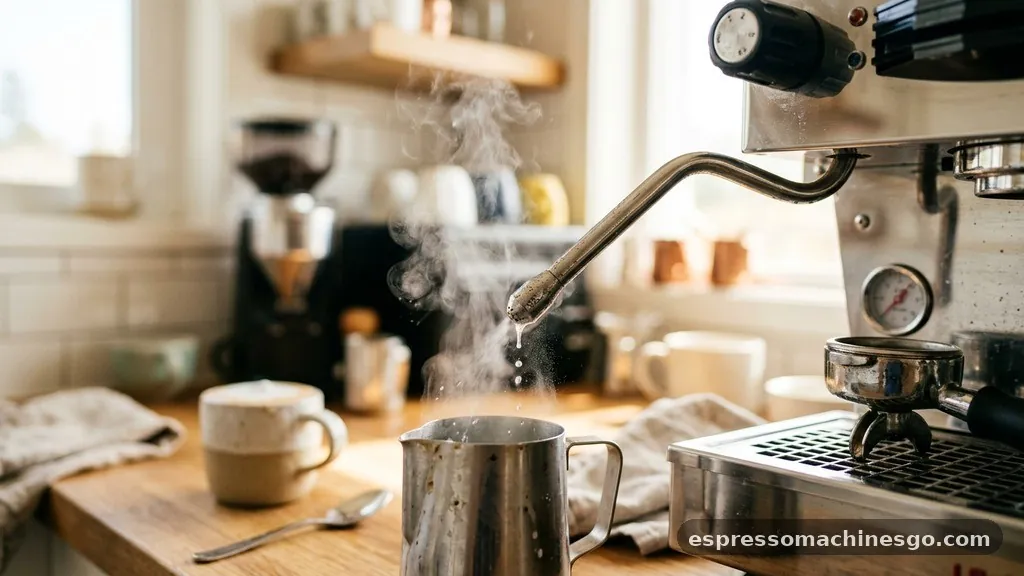
Most modern Breville espresso units are designed with intelligent sensors that track usage patterns, but you should also rely on your own observations. If you notice the extraction time is becoming inconsistent or the steam wand is struggling to produce a powerful, dry jet of steam, these are classic indicators that your machine is suffering from internal scale.
When hard water is used consistently, the calcium and magnesium carbonates bond to the metal surfaces of the thermoblock or boiler. This is not just a surface-level issue; it is a structural concern that thickens over time.
You might also notice that the machine sounds louder than usual during the pump cycle. This is because the pump is working harder to push water through narrowed, obstructed pipes. If the clean indicator light flashes on your display, the machine has already determined that the mineral accumulation has reached a threshold that requires immediate intervention.
Ignoring this warning is the fastest way to shorten the lifespan of your appliance. Regularly checking your water filter is also essential, as a saturated filter will stop preventing mineral intake, accelerating the need for a thorough cleaning cycle.
Selecting the Proper Descaling Solution
There is often debate regarding what liquid to use for this task. While some users search for how do I descale my breville espresso machine with vinegar, manufacturers generally advise against it.
Vinegar is highly acidic and can leave a lingering odor or taste that is notoriously difficult to flush out of the internal lines. Furthermore, the acidity level of household vinegar can potentially degrade the rubber seals and gaskets inside the machine over years of repeated use.
Instead, it is recommended to use a dedicated descaling powder or liquid specifically formulated for high-end espresso equipment. These commercial solutions are designed to dissolve calcium carbonate effectively while being non-corrosive to the internal components.
You can find comprehensive information on water chemistry and mineral management at the National Coffee Association, which highlights why maintaining clean water paths is vital for a high-quality cup. Using a specialized solution ensures that the process is safe, efficient, and leaves no chemical residue that would compromise the integrity of your next shot.
Step-by-Step Procedure for the Barista Express and Similar Models
The Barista Express and similar enthusiast-grade machines follow a specific sequence to clear the lines. Before you begin, ensure you have removed the water filter from the tank, as the descaling solution will damage the filter media. Empty the water tank completely and fill it with the required ratio of water and the descaling agent.
Once the solution is prepared, you must enter the maintenance mode. On most units, this involves powering the machine off and holding down specific buttons—usually the “1-Cup” and “Power” buttons simultaneously—to trigger the cleaning cycle.
Once the machine enters the mode, it will begin to cycle the liquid through the group head and the steam wand. It is crucial to have a large container ready to catch the outflow. Because the internal build of scale can be extensive, the machine will often pause and resume to allow the solution to soak into the deposits.
Do not interrupt this phase. After the solution has been cycled, you must perform a full rinse cycle. This involves refilling the tank with fresh, cold water and running it through the entire system at least two or three times to ensure every trace of the chemical is gone.
| Task | Frequency | Impact on Coffee |
|---|---|---|
| Descaling | Every 2-3 Months | Restores temperature and flow |
| Backflushing | Weekly | Removes coffee oil buildup |
| Filter Change | Every 2 Months | Reduces mineral input |
Addressing Common Topical Gaps in Maintenance
Many users ask whether they should flush or descale their Breville first. The answer is that a daily flush is a preventative measure, while descaling is a curative one. If you have not performed a deep clean in over six months, a simple flush will do nothing to address the heavy mineral crust inside the boiler.
Another common gap is the confusion regarding the steam wand. Many people forget that the steam wand has a separate internal path that also requires cleaning. If you only descale the group head, you are leaving half of your machine vulnerable to clogs.
Another frequently overlooked aspect is the quality of the water itself. Even if you use a water filter, if your local supply is exceptionally “hard,” you will find yourself needing to perform this maintenance more frequently. Investing in a water softening pitcher or using filtered, bottled water can significantly extend the time between required cleanings.
It is also important to note that the cleaning cycle and the descaling cycle are different. The cleaning cycle usually involves a tablet to remove coffee oils, while the descaling process uses liquid or powder to remove mineral salts. Mixing these up will result in an incomplete maintenance routine.
Best Practices for Maintaining Your Espresso System
To keep your machine in top condition, establish a routine that integrates these tasks into your weekly workflow. Treat your breville espresso machine as an investment; the more care you put into the maintenance, the better the final cup will tastes. Below are the essential steps to ensure your machine stays in peak condition:
- Always use filtered water to minimize the rate of mineral accumulation.
- Replace your water filter every two months, regardless of how much coffee you brew.
- Perform a backflush with a cleaning tablet once a week to prevent oil rancidity.
- Wipe down the steam wand immediately after every use to prevent milk proteins from hardening.
- Run a rinse cycle after every descaling process to ensure complete chemical removal.
By following this list, you prevent the most common points of failure. The goal is to avoid letting the buildup reach a point where it restricts water flow or impacts the thermal stability of the water. If your machine is constantly struggling to pull a shot, it is likely already operating outside of its intended parameters, which can lead to premature pump failure.
Troubleshooting Persistent Issues After Descaling
If you have completed the descaling process and the machine is still not performing correctly, there may be a few underlying issues. First, verify that the water filter was removed during the process; if it was left in, it may have become clogged with the descaling agent, which can restrict flow. Second, check the group head screen.
Even after a full cycle, fine coffee particles or mineral flakes can become lodged in the mesh, causing uneven extraction. You can gently remove this screen with a screwdriver to clean it manually.
If the steam wand remains blocked, it is possible that dried milk or scale is stuck in the tip. Use a specialized cleaning tool or a paperclip to clear the nozzle. If the machine continues to show a warning light even after a successful cycle, consult your user manual for the specific reset sequence, as some models require a hard power cycle to clear the internal buffer.
Remember that consistent, proactive care is always easier than reactive repairs. By treating the descaling of your espresso machine as a standard part of your coffee ritual, you ensure that every brewing experience remains consistent, professional, and delicious.
Frequently Asked Questions
How do I know if my Breville needs descaling?
Your machine likely needs descaling if you notice a significant decrease in water flow, the coffee is not as hot as it used to be, or the machine makes a louder-than-normal pumping noise. Additionally, most modern Breville models will display a flashing light or icon indicating a cleaning requirement.
Can I use vinegar to descale my espresso machine?
While common, it is generally discouraged. Vinegar is highly acidic and can leave a persistent, unpleasant odor in the tubing. It may also corrode the internal rubber seals over time. It is safer to use a specialized descaling solution designed specifically for coffee and espresso equipment.
How often should I perform this maintenance?
In areas with hard water, you should descale your machine every two to three months. If you use soft or highly filtered water, you may be able to extend this to every four months. Always monitor your machine’s performance and respond to any manufacturer alerts immediately.
Do I need to remove the water filter before descaling?
Yes, you must remove the water filter before starting the descaling process. The descaling solution can damage the filter media, and the filter itself will trap the solution, preventing it from effectively cleaning the internal pipes and heating elements of your espresso machine.