
Deciding whether Gevi espresso equipment belongs on your kitchen counter requires looking past the glossy marketing and diving into the mechanics of home brewing. For many enthusiasts, the search for an entry-level espresso machine often leads to this brand because of its aggressive pricing and sleek aesthetic. When you ask if this is a reliable choice for your daily caffeine ritual, the answer depends largely on your expectations regarding temperature stability, build quality, and the level of manual control you desire for your morning latte or cappuccino.
Gevi has carved out a niche by offering machines that punch above their weight class in terms of features—often including a touchscreen interface or a built-in milk frother—at a price point that makes specialty coffee accessible to beginners. However, the transition from pod-based systems or standard drip coffee maker units to a semi-automatic machine involves a steeper learning curve. Understanding the internal components, such as the water tank capacity and the reliability of the steam wand, is essential to determining if these machines can withstand the test of time in a busy household.
Evaluating the Build Quality and Design Philosophy
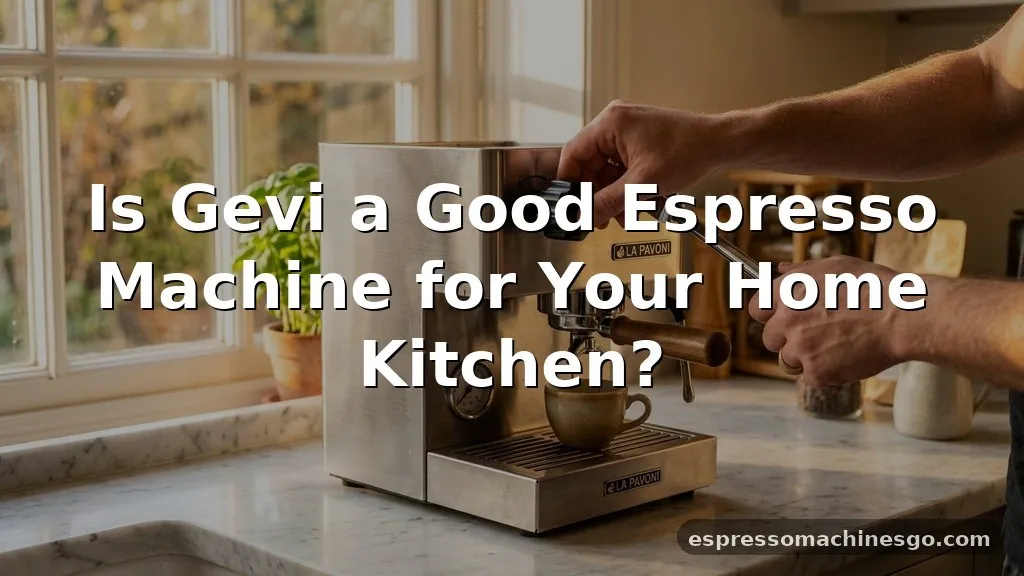
The physical construction of a Gevi espresso machine typically leans toward a combination of brushed stainless steel and high-density plastics. While the polished metallic exterior gives these devices a premium look that fits well in modern kitchens, the internal components are where the true assessment of quality happens.
Most Gevi models are designed with a compact footprint, which is a major advantage for those with limited counter space. The design philosophy focuses on accessibility; the buttons are usually intuitive, and the layout is designed to minimize the confusion often associated with more complex, professional-grade equipment.
However, users should be aware that the lightweight nature of these machines can occasionally be a drawback. When locking in the portafilter, you may find that the unit slides slightly unless you hold it down with your other hand.
This is a common trait among entry-level espresso machines where the weight of the base is not substantial enough to anchor the machine during the vigorous motion of inserting the brew head. Despite this, the stainless steel accents often found on the drip tray and steam nozzle provide a durable touchpoint where the machine interacts with water and heat most frequently.
Analyzing Extraction Performance and Pressure
One of the most frequently marketed features of these units is the 20 bar espresso pump. In the world of home brewing, there is a common misconception that higher pressure always equals better coffee.
In reality, the industry standard for extracting a balanced shot of espresso is typically 9 bars of pressure. While a 20 bar pump is technically capable of reaching higher pressures, the machine’s ability to maintain that pressure consistently throughout the entire extraction process is what truly matters.
When using a Gevi machine, the pump is generally quite capable, but it can be loud during operation. This is standard for vibratory pumps found in this price category. The key to a good shot lies in your grind size and your tamping technique.
If the coffee is ground too finely, the pump may struggle to push water through the puck, leading to an over-extracted, bitter taste. If the grind is too coarse, the water will rush through, resulting in a thin, sour shot.
Because these machines utilize a pressurized basket system, they are much more forgiving for beginners, allowing you to achieve a decent crema even if your technique is not yet perfect. You can find more technical details on the chemistry of coffee extraction through the National Coffee Association guidelines.
The Role of the Steam Wand and Milk Frothing
For those who prioritize a creamy latte or a airy cappuccino, the steam wand is the most critical component. Gevi machines typically feature a manual steam wand that allows you to aerate milk to your preferred texture.
Unlike automatic systems that might produce a uniform but lackluster foam, a manual wand gives you the creative freedom to create micro-foam, which is essential for latte art. The performance of this machine milk system is generally reliable, though it does require a bit of practice to master the timing and the angle of the pitcher.
The heating system in these units is usually a thermoblock, which allows for fast heat-up times compared to traditional boiler systems. This is a significant convenience for morning users who don’t want to wait ten minutes for their machine to reach operating temperature. However, the trade-off is that you cannot steam milk and pull a shot of espresso at the exact same time.
You must perform these tasks sequentially. This is a standard limitation for single-boiler or thermoblock machines in this price range, and it is a small price to pay for the rapid startup speed that these units provide.
Comparing Gevi to Other Market Options
When deciding if this is the right purchase, it helps to look at how Gevi stacks up against other popular brands in the same category. Most competitors in this space offer similar features, but the user experience can vary significantly based on the quality of the interface and the longevity of the seals and gaskets.
| Feature | Gevi Entry-Level | Standard Competitor |
|---|---|---|
| Pressure Pump | 20 Bar | 15 Bar |
| Interface | Touchscreen/Digital | Analog Dials |
| Heat-up Time | Very Fast | Moderate |
| Portafilter Size | Standard 51mm | Often 51mm-54mm |
As shown in the table above, the Gevi models often win on the “tech” front with features like a touchscreen or a more robust-looking pump rating. If you value modern aesthetics and quick operation, these machines are highly competitive. However, if you are an aspiring barista looking for a machine that can be modified or repaired easily, you might find that the proprietary internal parts of some entry-level machines make long-term maintenance more challenging than with legacy brands that have a vast supply of aftermarket parts.
Topical Gaps: Addressing Maintenance and Longevity
A common area where consumer information falls short is in the maintenance of the water tank and internal descaling. Many users report that their machine’s performance degrades after six months, often due to mineral buildup rather than a mechanical failure.
Because Gevi machines are designed for home use, they are not built to handle the heavy mineral load of hard water without regular intervention. Descaling is not just a suggestion; it is a requirement for the longevity of the pump and the heating element.
Another gap in the conversation is the learning curve regarding the “one” shot versus “double” shot programming. Many users feel the machine is inconsistent, when in reality, the volumetric programming simply needs to be calibrated.
By holding down the button to set your desired volume, you can ensure that your machine pulls the exact amount of liquid you prefer every single time. Neglecting this calibration leads to the perception that the machine is “bad,” when it is actually just un-tuned to the user’s specific cup size and preferred strength.
Practical Tips for Daily Use
To get the most out of your purchase, consider these best practices for daily operation:
- Always pre-heat your portafilter by running a blank shot of hot water through it before adding your coffee grounds. This prevents the cold metal from shocking the coffee and ruining the temperature of your first sip.
- Use filtered water rather than tap water to prevent scale buildup and improve the flavor profile of your brew, as water makes up over 90% of your drink.
- Purge the steam wand before and after every use to ensure no milk residue dries inside the tip, which can cause blockages and hygiene issues.
- Invest in a quality burr grinder. The built-in convenience of the machine is great, but the flavor of your espresso will always be limited by the quality of your grind.
- Wipe down the exterior stainless steel surfaces regularly to prevent water spots and keep the machine looking as good as it functions.
By following these simple steps, you can bridge the gap between a standard home-brewed cup and a cafe-quality experience. The Gevi is a capable tool that rewards the user who takes the time to understand the variables of pressure, temperature, and grind size. While it may not be a professional machine, it is certainly a “good” machine for those who want to transition from basic coffee makers to the world of espresso without spending thousands of dollars.
Frequently Asked Questions
Is the Gevi espresso machine easy to clean?
Yes, the machine is relatively easy to maintain. The drip tray and portafilter are removable for washing. However, it is vital to perform regular descaling cycles to keep the internal heating system free of mineral deposits, which ensures the machine continues to function correctly over time.
Can I make drinks other than espresso with this machine?
Absolutely. Because the unit includes a steam wand, you can easily froth milk to create lattes, cappuccinos, and macchiatos. The high-pressure pump is also capable of producing a strong base for Americanos or even an iced coffee, provided you adjust your grind and brew ratio accordingly.
Does the Gevi machine require a special grinder?
For the best results, you should pair it with a dedicated burr grinder. While pre-ground coffee can work in a pinch, a burr grinder allows you to dial in the exact fineness needed for a proper extraction, which is the secret to getting a rich, thick crema.
How does the Gevi compare to more expensive brands?
Gevi excels in providing a feature-rich, user-friendly experience at a lower price point. While more expensive, high-end machines offer better temperature stability and commercial-grade components, Gevi is an excellent choice for home users who want to enjoy cafe-style drinks without a significant financial commitment.