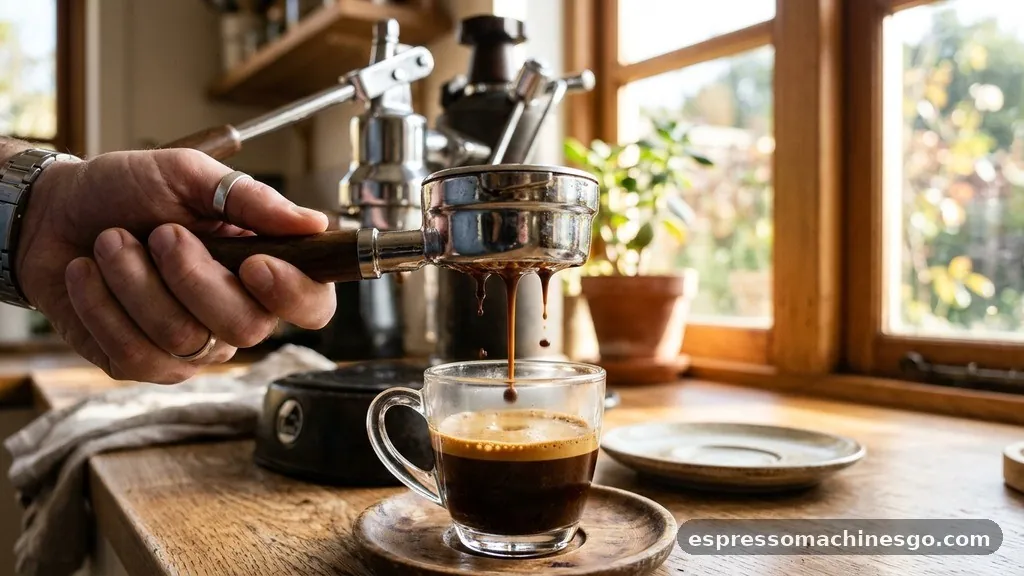
Achieving a rich, concentrated shot of espresso coffee at home does not strictly require expensive, countertop-consuming espresso makers. While traditional machines rely on a mechanical pump to generate nine bars of atmospheric pressure, you can replicate the intensity, body, and flavor profile of a classic shot using manual techniques.
Learning how to make espresso without a machine is a rewarding skill that relies on understanding the relationship between grind size, extraction time, and water temperature. By mastering these variables, you can create a robust, syrupy concentrate that serves as the perfect base for lattes, cappuccinos, or a simple morning pick-me-up.
The Fundamentals of Espresso Extraction
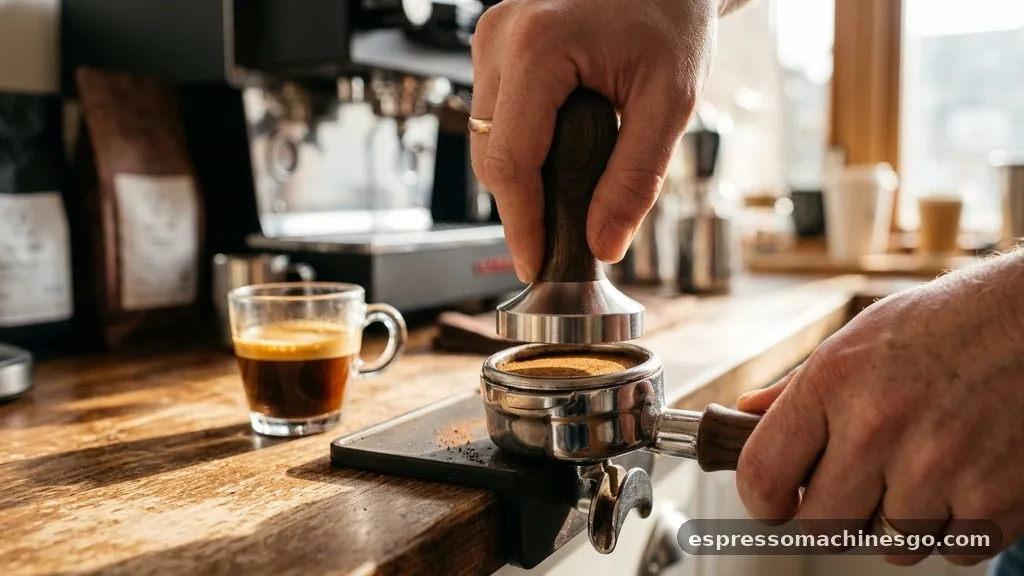
To understand how to replicate a cafe-quality shot, you must first define what makes espresso unique. Espresso is not merely a type of bean; it is a brewing method characterized by a high ratio of coffee to water and a pressurized extraction process.
The goal is to extract the maximum amount of flavor from the coffee grounds while maintaining a syrupy mouthfeel and a thin layer of foam known as crema. When you remove the machine from the equation, you must find alternative ways to create the necessary pressure to force hot water through the grounds.
The primary challenge in manual espresso production is overcoming the lack of mechanical force. In a machine, the pump does the heavy lifting, ensuring the water moves through the packed puck of coffee at a specific flow rate. Without this, you must rely on manual force, such as the press plunger of an Aeropress or the steam expansion found in a moka pot.
Regardless of the tool you choose, the quality of your coffee beans remains the most critical factor. Always opt for a fresh, medium-to-dark roast and ensure you have a high-quality burr grinder to achieve a consistent, fine texture. Without a uniform grind, water will find the path of least resistance, leading to an uneven extraction that tastes either sour or overly bitter.
Using a Moka Pot for Concentrated Coffee
The moka pot is often considered the gold standard for those seeking an espresso-like experience without an actual machine. While it technically produces a brew with lower pressure than a commercial unit, it excels at creating a dense, intense liquid that mimics the profile of a concentrated shot. This method works by using steam pressure generated in the bottom chamber to push boiling water up through a basket of ground coffee and into the top collection chamber.
To get the best results, start by heating your water in a separate kettle before pouring it into the base of the pot. This prevents the metal from overheating and “cooking” the coffee grounds while the water comes to a boil. Fill the basket with finely ground coffee, leveling it off without packing it too tightly.
Once you place the pot on the heat source, keep the lid open to monitor the flow. As soon as the coffee begins to emerge into the top chamber—a process that should be slow and steady—remove the unit from the heat. This prevents the liquid from boiling over and becoming scorched, ensuring a smooth, rich flavor that you can enjoy as a standalone shot or as the foundation for milk-based drinks.
The Aeropress Technique for Manual Pressure
The Aeropress is a versatile tool that allows for a surprising amount of control over extraction. By utilizing a manual press plunger, you can physically force water through a bed of coffee, creating a concentrated cup that rivals traditional methods. This process is highly favored by coffee enthusiasts because it allows you to experiment with different water temperatures and brewing times, effectively bypassing the limitations of rigid, automated systems.
For an espresso-style brew, use a fine grind—slightly coarser than what you would use for a dedicated espresso machine but finer than a standard drip grind. Use approximately two tablespoons of coffee for every two to three ounces water. After pouring the water over the grounds, stir them gently for ten seconds to ensure full saturation.
Insert the plunger and apply steady, firm pressure. The resistance you feel is the key to creating the syrupy body associated with espresso. If the plunger moves too easily, your grind is likely too coarse; if it is nearly impossible to push, your grind is too fine.
The tactile feedback of this process is what makes the Aeropress so effective for home baristas looking to mimic professional results. For more technical details on the science of extraction, you can refer to the National Coffee Association guidelines on brewing.
The French Press Method for a Richer Body
While a French press is typically associated with a lighter, coarser-ground brew, it can be adapted to produce a surprisingly bold coffee concentrate. The key here is to ignore the standard “coarse grind” advice and instead use a finer grind. Because a French press lacks the high-pressure element of a machine or a moka pot, you must compensate with a longer steep time and a higher coffee-to-water ratio.
To execute this, combine your finely ground coffee with a small amount of near-boiling water. Let the mixture sit for about four minutes. After the time has elapsed, use the plunger to push the grounds to the bottom, but do so very slowly.
The mesh filter inside the plunger acts as a barrier, keeping the sediment out of your cup. While this will not produce a true crema—which requires high atmospheric pressure—it will yield a dense, full-bodied coffee that serves as an excellent substitute for espresso in recipes like affogatos or iced coffee drinks. The lack of paper filters allows the natural oils of the beans to remain in the final brew, which significantly contributes to the heavy mouthfeel.
Comparing Manual Brewing Techniques
Selecting the right tool for your home setup depends on your preference for texture, time, and ease of cleaning. Each method offers a unique approach to extracting flavor from your beans.
| Method | Primary Mechanism | Best For |
|---|---|---|
| Moka Pot | Steam Pressure | Authentic, intense flavor |
| Aeropress | Manual Air Pressure | Versatility and speed |
| French Press | Immersion/Steeping | Heavy, textured body |
Each of these approaches requires a different process to achieve success. For example, the moka pot requires careful temperature management to avoid bitterness, whereas the Aeropress requires consistent physical effort. Regardless of the tool, you should always take the time to clean your equipment thoroughly after each use to prevent old coffee oils from tainting future batches.
Addressing Common Challenges and Topical Gaps
One of the most frequent questions regarding manual espresso is how to create crema without a machine. In reality, true crema is an emulsion of CO2 gases and coffee oils forced out by 9+ bars of pressure. Without a mechanical pump, you will not achieve the thick, golden foam found in a cafe.
However, you can create a “faux-crema” by vigorously whisking a small amount of the brewed concentrate or by using a shaker to aerate the coffee immediately after brewing. This provides a similar visual and tactile experience, even if it lacks the chemical stability of machine-produced crema.
Another common gap involves the use of instant coffee. While you can make a concentrated shot using instant coffee by reducing the water volume, it will never match the depth of freshly ground beans. If you find yourself without a grinder, look for “espresso roast” pre-ground coffee, which is usually processed to be finer than standard drip coffee.
Always remember that the grind size is the most important variable; if your brew is weak, move to a finer setting. If it is bitter and astringent, move to a coarser setting. By treating your kitchen as a lab, you can iteratively improve your results until you find the perfect balance for your palate.
Frequently Asked Questions
Can I really get a true espresso without a machine?
Technically, no. A true espresso requires 9 bars of pressure to emulsify coffee oils. However, you can produce a highly concentrated, syrupy coffee using a moka pot or Aeropress that serves as a perfect substitute in lattes, americanos, and other espresso-based beverages at home.
Why does my manual espresso taste bitter?
Bitterness usually indicates over-extraction. This happens if your coffee grind is too fine, your water temperature is too high, or you have let the coffee steep for too long. Try using a slightly coarser grind or reducing your total brew time to balance the flavor profile.
Do I need to pack the coffee grounds tightly?
In a moka pot, you should never tamp or pack the grounds; just level them off. In an Aeropress, you do not need a hard tamp, but a light, even leveling is helpful. Packing too tightly in manual methods can prevent water from flowing through entirely.
How do I make a latte without a steamer?
To make a latte without a steamer, heat your milk on the stove until it is hot but not boiling. Pour it into a French press and pump the plunger vigorously for 20 seconds. This creates a dense, creamy micro-foam that you can pour over your espresso concentrate.