

Maintaining a high-quality espresso machine is not just about keeping the equipment looking shiny on your countertop; it is a critical component of ensuring that every shot you pull tastes exactly as the roaster intended. Over time, the internal components of your machine accumulate coffee oils, mineral deposits, and stale residue that can drastically alter the flavor profile of your brew, often introducing bitter, sour, or rancid notes. Whether you are using a high-end dual boiler or a compact entry-level model, establishing a consistent cleaning routine is the single most effective way to protect your investment and guarantee a superior cup of coffee every single morning.
The Daily Maintenance Ritual for Espresso Machines 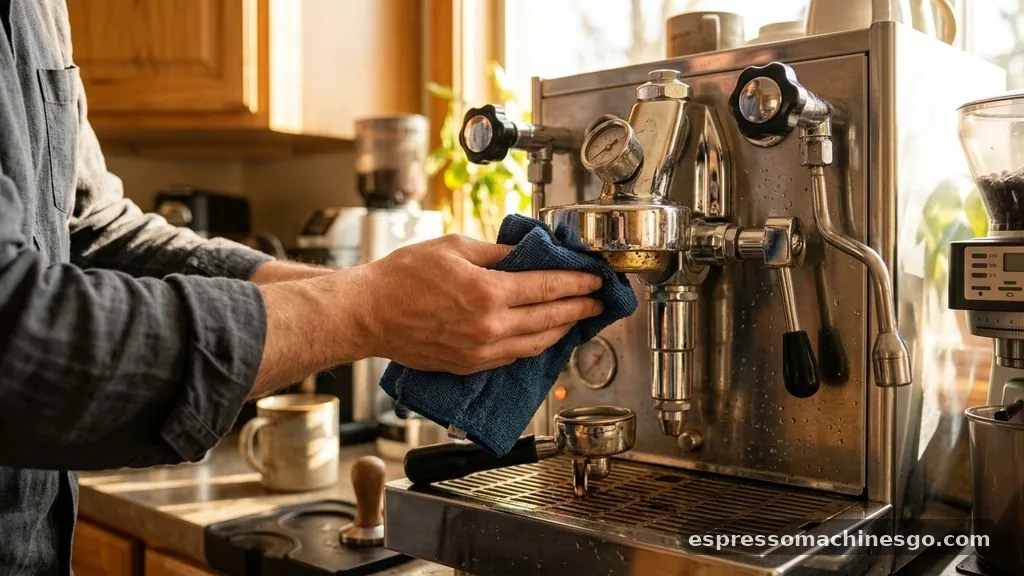
The most important aspect of espresso machine ownership is the daily habit of cleaning your equipment immediately after you finish your last drink of the day.
If you allow coffee oils and grounds to sit in the group head or on the screen for too long, they will oxidize, leading to a buildup that is much harder to remove later. This daily maintenance is the foundation of a healthy machine and should be considered non-negotiable for anyone serious about home brewing.
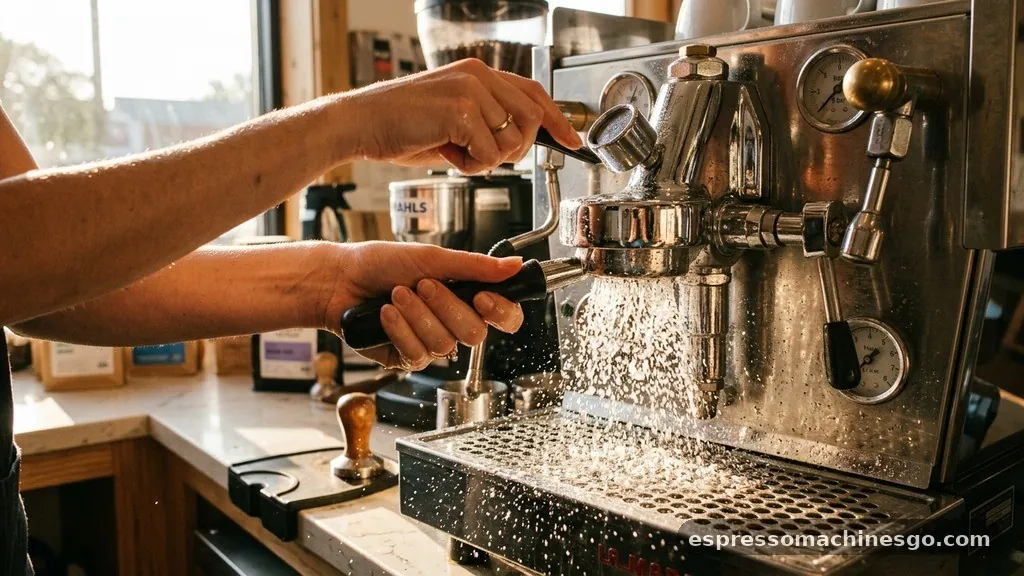
To perform a proper daily clean, you should first rinse the group head by running a short burst of water through it without the portafilter attached. This action clears away any loose grounds clinging to the dispersion screen. Next, use a dedicated group brush to scrub the gasket and the screen itself.
You will be surprised at how much residue remains even after a single day of use. Finally, rinse your portafilter and basket thoroughly with hot water. For those who frequently steam milk, it is imperative to wipe down the steam wand with a damp cloth immediately after each use and follow it with a quick purge of steam to clear any milk from the inside of the nozzle.
Skipping this step allows milk solids to harden inside the wand, which can lead to bacterial growth and blockages that are difficult to clear.
Understanding the Backflush Process
If your machine is equipped with a three-way solenoid valve, you have the ability to perform a backflush, which is the gold standard for deep cleaning the internal plumbing of your group head. Backflushing forces water and a specialized cleaner backward through the solenoid valve, effectively dissolving the stubborn oils that accumulate where you cannot physically reach with a brush. This process is essential for maintaining consistent flow rates and preventing the buildup of rancid oils that can taint the taste of your fresh espresso.
To backflush your machine, replace your standard filter basket with a blind basket (a solid, non-perforated insert). Add a small amount of espresso machine detergent—often referred to as Cafiza—into the blind basket. Lock the portafilter into the group head and activate the pump for about five to ten seconds.
Turn the pump off and wait for the pressure to release; you will hear a “whoosh” sound as the water and dissolved oils are diverted into the drip tray. Repeat this cycle five or six times, then remove the portafilter, rinse it thoroughly, and run the pump again with clean water for several cycles to ensure no detergent residue remains in the system. Neglecting this part of your routine will eventually lead to a clogged group head and a significant drop in pressure, which directly impacts the quality of your extraction.
For more detailed insights on the chemical breakdown of coffee oils, you can consult the Specialty Coffee Association for industry-standard best practices on equipment care.
How to Descale Your Espresso Machine Properly
While backflushing handles the coffee oils, descaling addresses the invisible enemy lurking inside your boiler and tubing: scale. Scale is the buildup of minerals like calcium and magnesium that precipitate out of your water when it is heated. Over time, these deposits can narrow the internal pipes, cause heating elements to fail, and even damage the sensitive sensors that regulate water temperature.
The frequency with which you need to descale depends heavily on the hardness of your local water supply. If you use filtered or bottled water, you may only need to perform this task every few months; if you use hard tap water, you might need to do it as often as once a month.
To descale, you will need a commercial descaling solution designed specifically for espresso machines. Avoid using vinegar, as it is often too acidic, difficult to rinse out completely, and can leave a lingering odor that ruins the taste of your coffee for weeks. Follow the manufacturer’s instructions carefully, as different machines have different internal plumbing requirements.
Generally, you will mix the descaling solution with water in the reservoir, run the mixture through the group head and the steam wand until the reservoir is empty, and then perform several full tank flushes with fresh, clean water to ensure the system is completely purged of any chemical agents.
Addressing Common Topical Gaps in Maintenance
Many users often ask what to do when they notice their espresso machine is running slower than usual or if the coffee tastes metallic even after cleaning. These are common issues that often point to specific maintenance oversights that are frequently skipped in standard manuals.
Why Is My Espresso Machine Running Slow?
The most common culprit for a slow extraction is a clogged dispersion screen or a buildup of scale within the group head assembly. If the water cannot pass through the screen easily, the pressure at the puck will be inconsistent, leading to channeling. To fix this, unscrew the shower screen and soak it in a hot water and detergent solution. You should also check the group gasket; if it is old or cracked, it may be causing pressure leaks that disrupt the flow.
What About the Grinder?
Many people forget that the grinder is an extension of the espresso machine. Old, stale coffee oils trapped inside the burrs will ruin the taste of the freshest beans. You should clean your grinder regularly by vacuuming out loose grounds and using specialized grinder cleaning pellets. Even if your machine is spotless, a dirty grinder will result in a poor-tasting cup.
Is Vinegar Safe for My Machine?
While some home remedies suggest vinegar, it is generally discouraged by professionals. Vinegar is highly acidic and can corrode the internal brass or aluminum components of high-end espresso machines. It is far safer to invest in a purpose-built descaling liquid that is formulated to be gentle on rubber seals and metal piping while remaining highly effective at dissolving calcium.
Maintaining the Steam Wand and Milk System
The steam wand is perhaps the most neglected part of the machine, yet it is the most prone to contamination. Because milk is a perishable biological product, any residue left behind acts as a breeding ground for bacteria. Furthermore, as milk dries, it creates a rock-hard layer of protein and fat that can eventually restrict steam flow, leading to weak pressure and an inability to create proper microfoam.
To keep your steam wand in top condition, never skip the “purge and wipe” routine. After steaming milk, always open the steam valve for one or two seconds to blow out any milk that may have been sucked into the tip. Then, wipe the exterior with a damp, dedicated microfiber cloth.
Once a week, you should soak the steam wand tip in a solution of hot water and milk system cleaner. Many machines have a removable tip; unscrewing it allows you to clean the threads and the interior of the wand more thoroughly. If your machine features an automatic milk frother or a siphon tube, these components should be disassembled and soaked in a specialized cleaner after every use to prevent blockages in the narrow intake channels.
Establishing a Long-Term Maintenance Schedule
Consistency is the secret to a long-lasting espresso machine.
By breaking your maintenance down into daily, weekly, and monthly tasks, you ensure that no single part of the system is neglected. This structured approach prevents the “emergency cleaning” scenarios where you are forced to spend hours scrubbing neglected parts because the machine has stopped functioning correctly.
| Maintenance Frequency | Primary Task | Why It Matters |
|---|---|---|
| Daily | Backflush with water, wipe steam wand, rinse portafilter | Prevents oil buildup and milk rancidity |
| Weekly | Backflush with detergent, clean screen and gasket | Removes stubborn coffee residue and oils |
| Monthly | Descale the boiler and tubing | Eliminates mineral scale and protects heating elements |
| Quarterly | Replace group gasket and shower screen | Ensures a tight seal and even water distribution |
Beyond these intervals, consider a professional service for your espresso machine once every year or two, especially if you use it heavily. A technician can check internal pumps, look for leaks that aren’t visible from the outside, and ensure that the pressure is calibrated correctly. Proper maintenance is an investment that pays for itself in the quality of your daily coffee and the longevity of your equipment.
Frequently Asked Questions
How often should I backflush my espresso machine?
For home use, perform a water-only backflush daily.
Use a cleaning detergent to backflush your machine once a week or every 50 to 100 shots. This prevents the accumulation of bitter coffee oils that can ruin the flavor of your espresso and clog the solenoid valve.
Can I clean my machine with baking soda?
Baking soda is not recommended as a replacement for commercial descaling agents. It is not effective at dissolving hard water scale and can leave a gritty residue that may clog the fine mesh screens inside your machine or damage the delicate internal valves of the espresso pump.
What is the best way to clean the shower screen?
The best method is to remove the shower screen using a screwdriver and soak it in a mixture of hot water and espresso machine detergent for 15 minutes. Scrub it with a stiff brush to remove any trapped coffee particles, rinse thoroughly, and reinstall it securely.
How do I know if my espresso machine needs descaling?
If you notice the water flow from the group head or steam wand has slowed down, or if the machine takes longer than usual to heat up, it likely has mineral scale buildup. You should descale immediately to prevent further damage to the boiler and internal pipes.