
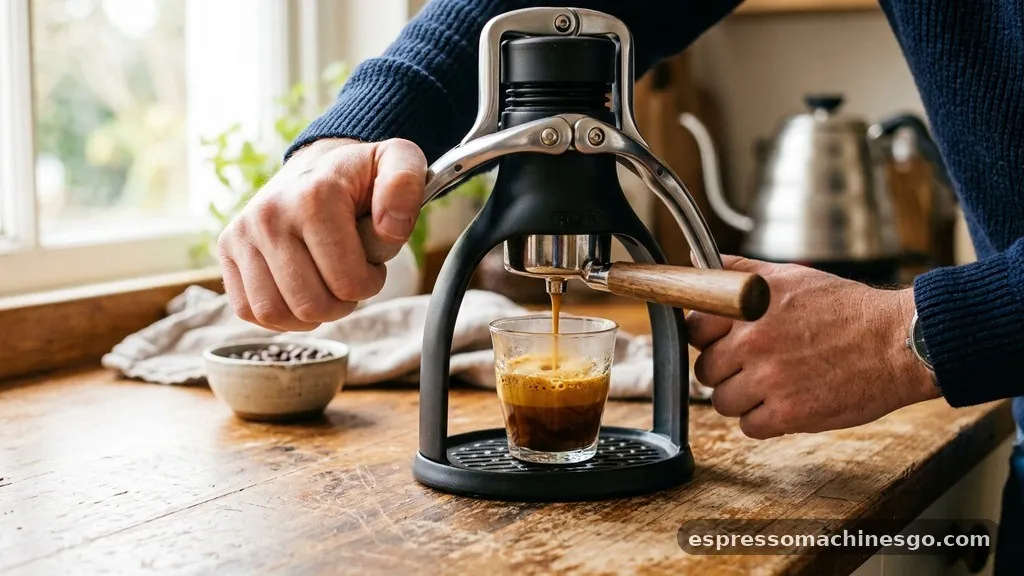
Achieving that rich, syrupy shot of espresso coffee in the comfort of your own kitchen doesn’t strictly require a high-end, multi-thousand-dollar machine. While commercial espresso makers utilize high-pressure pumps to force hot water through tightly packed coffee grounds, you can replicate the intensity, body, and flavor profile using accessible manual brewing tools. If you are wondering how to make espresso without an espresso machine, the secret lies in mimicking the extraction variables—specifically pressure, grind size, and the water-to-coffee ratio—using alternative devices that are already sitting in your kitchen cabinet.
Understanding the Physics of Espresso Extraction 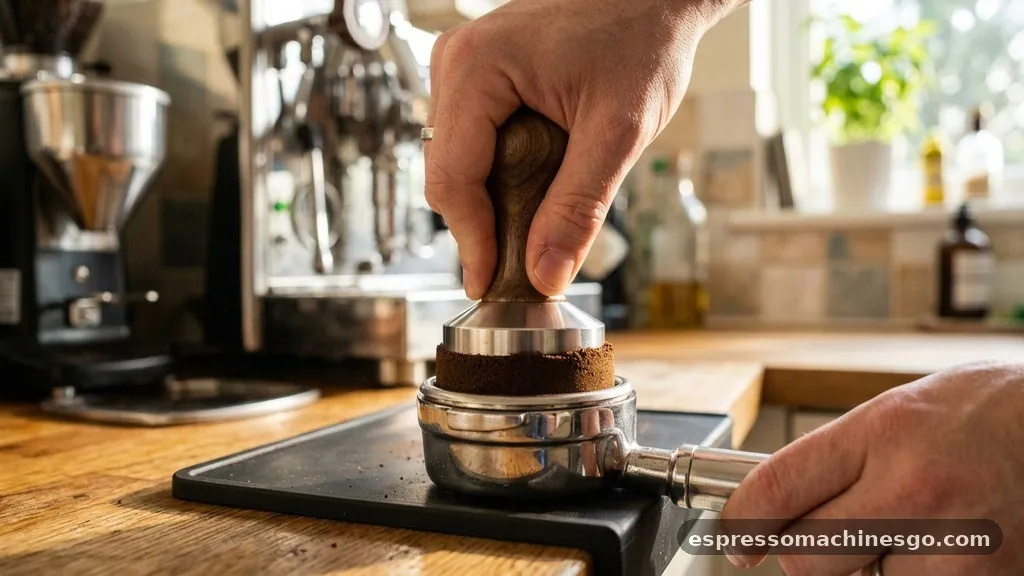
To successfully brew espresso-like coffee, you must first understand what defines the drink.
Traditional espresso is defined by its concentrated nature, typically using a 1:2 ratio of coffee to water, and a layer of golden crema on top. The process relies on high pressure (usually 9 bars) to emulsify the oils within the coffee beans. When you lack a dedicated pump-driven device, you are essentially looking to increase the resistance against the flow of water.
Without the mechanical assistance of a pump, you must compensate by manipulating the variables you can control: the grind size, the tamping force, and the temperature of the water. A finer grind increases surface area, which slows down the water flow and creates a more intense extraction. However, if the grind is too fine, it will clog your manual device, leading to a bitter, over-extracted cup.
Balancing these factors is the core challenge when moving away from automated equipment.
Utilizing the Moka Pot for Concentrated Brews
The moka pot is arguably the most effective tool for those seeking an authentic espresso experience. Often called a stovetop espresso maker, this device uses steam pressure to push water up through a bed of coffee. While it technically generates less pressure than a professional rig (usually around 1.5 to 2 bars), the result is a remarkably strong, full-bodied coffee that serves as the perfect base for lattes and cappuccinos.
To achieve the best results with a moka pot, start with high-quality, freshly roasted coffee beans. Use a medium-fine grind, which should feel slightly coarser than table salt. Fill the filter basket with coffee, leveling it off without packing it down too hard; unlike a standard espresso machine, the moka pot’s pressure mechanism can be stifled if the coffee is tamped too aggressively.
Place the top section on tightly, and heat the base over a medium flame. As the brew begins to emerge, keep the lid open to monitor the flow. Once it starts to sputter, remove the pot from the heat immediately to prevent the coffee from burning.
Harnessing the Aeropress for Espresso-Style Shots
The Aeropress is a versatile gadget that has gained a cult following due to its ability to create a clean, robust cup of coffee.
Because it allows for manual air pressure, it is one of the few devices that can mimic the “shot” extraction of an espresso machine. By using a finer grind and a smaller amount of water, you can generate the necessary resistance to produce a concentrated extract.
To make an espresso-style shot with an Aeropress, use the “inverted method.” Place the plunger inside the chamber, then add about 18 grams of finely ground coffee. Pour roughly two ounces water—heated to about 200°F—over the grounds.
Stir briefly to ensure all grounds are saturated, then attach the filter cap with a pre-wet paper filter. Carefully flip the device onto your cup and press plunger down with steady, firm pressure. The resulting liquid will be dense, aromatic, and possess a depth of flavor that rivals many dedicated home espresso setups.
You can learn more about the science of coffee extraction by visiting the National Coffee Association for professional brewing guidelines.
The French Press Method for Robust Coffee
While a french press is typically associated with long steeping times and a lighter body, it can be repurposed to create a concentrated base for espresso-based drinks. The trick here is to adjust the ratio of coffee to water significantly. Instead of the standard ratio, use a much higher concentration of grounds to water.
1. Grind your coffee to a medium-coarse consistency.
2. Add four tablespoons of coffee for every six ounces of water.
3.
Allow the coffee to bloom for 30 seconds with a small amount of hot water.
4. Pour the remaining water and let it steep for exactly four minutes.
5. Slowly depress the filter and pour the concentrate immediately into a serving vessel.
While this will not produce the characteristic crema of a traditional machine, the strength of the resulting liquid is sufficient to cut through frothed milk, making it an excellent shortcut for homemade mochas or Americanos.
Comparing Manual Brewing Methods
When selecting your tool, it is helpful to understand how each method affects the final output. The following table highlights the primary differences between common manual brewing techniques used to emulate espresso.
| Method | Pressure Level | Texture/Body | Best For |
|---|---|---|---|
| Moka Pot | Low-Medium (Steam) | Heavy/Syrupy | Traditional Espresso Drinks |
| Aeropress | Moderate (Manual Air) | Clean/Intense | Espresso-style Shots |
| French Press | None (Immersion) | Full/Textured | Strong Coffee Bases |
Addressing Common Brewing Challenges
Many beginners struggle with the transition from machines to manual methods. One common issue is the presence of sediment in the cup. Because manual filters (especially those in a French press) are often less refined than the metal baskets in a professional machine, you may find “mud” at the bottom of your drink. To solve this, consider using a double-filter technique, such as placing a small paper filter inside the metal mesh of an Aeropress, or letting your brewed coffee rest for a minute before pouring to allow particles to settle.
Another frequent problem is temperature management. In a machine, the boiler maintains a constant temperature. When brewing manually, the vessel itself can draw heat away from the water.
Always pre-heat your moka pot or Aeropress by rinsing the components with boiling water before adding your coffee grounds. This simple step ensures that your brewing water stays within the optimal range of 195°F to 205°F, which is essential to extract the full flavor profile of the bean without introducing harsh, acidic notes.
How to achieve crema without a machine
A common question involves the elusive crema—that golden, frothy layer on top of a perfect shot. Technically, true crema requires high pressure to emulsify carbon dioxide and coffee oils.
Without an expensive pump, you will not get an authentic, long-lasting crema. However, you can cheat the look by vigorously whisking your brewed coffee or using a handheld milk frother to create a thin layer of foam on top of your cup. While this is not “crema” in the chemical sense, it provides the same mouthfeel and aesthetic appeal when you enjoy your homemade beverage.
Can I use instant coffee for espresso?
Using instant coffee to replicate espresso is a common point of confusion.
While you can dissolve instant coffee in a very small amount of hot water to create a “concentrated” liquid, it lacks the oils and complex aromatics of freshly ground beans. If you are in a pinch, use a 1:1 ratio of instant coffee to hot water, but be aware that the flavor profile will be significantly flatter than any of the manual brewing methods described above. For an authentic experience, always prioritize fresh beans over instant alternatives.
FAQ Section Can I use regular coffee beans for espresso?
Yes, you can use any coffee beans to make espresso.
However, beans labeled as “espresso roast” are typically roasted longer to reduce acidity and emphasize chocolatey, nutty notes, which hold up better under the high-pressure extraction process of traditional machines.
What is the most important variable for manual espresso?
The most important variable is the grind size. Because you lack the 9 bars of pressure found in a machine, your grind needs to be fine enough to provide resistance to the water, but not so fine that it prevents the water from passing through entirely.
How much coffee should I use for a single shot?
For a manual espresso-style shot, aim for 15 to 18 grams of coffee grounds. This provides enough mass to create a rich, concentrated flavor that can stand up to milk if you are making a latte or a cappuccino.
Do I need to tamp the coffee when using a moka pot?
No, you should never tamp the coffee in a moka pot.
The steam pressure generated by the device is not designed to push through a compressed puck of coffee. Simply fill the basket, level it off, and screw the top on firmly to ensure a proper seal.