
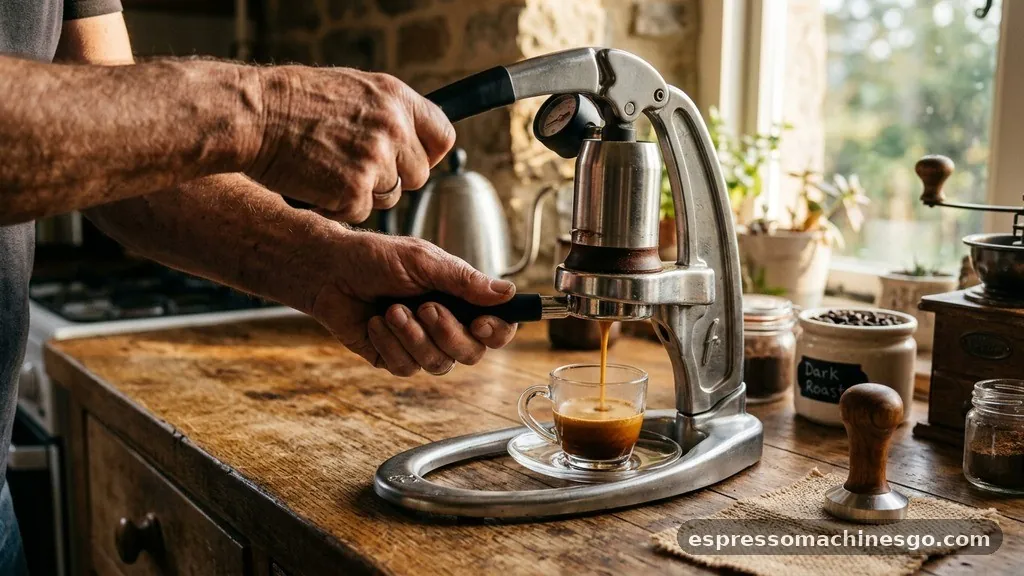
Achieving a rich, syrupy shot of espresso coffee at home often feels like a pursuit reserved for those who can afford expensive, bulky espresso makers. However, the fundamental essence of espresso—intense flavor, a concentrated body, and a delicate layer of crema—is achievable through manual techniques.
Learning how to make espresso without machine hardware requires an understanding of the relationship between grind size, extraction time, and the application of force. While you may not replicate the exact 9 bars of pressure generated by a commercial pump, you can certainly produce a robust, flavorful beverage that serves as the perfect base for lattes, cappuccinos, or a simple morning pick-me-up.
The Science of Espresso Extraction and Pressure
To understand why traditional machines are used, one must first recognize that espresso is defined by its brewing process. It involves forcing hot water through finely-packed coffee grounds under significant pressure.
This high-pressure environment is what emulsifies the coffee oils, resulting in the characteristic mouthfeel and intensity that distinguish espresso from drip coffee. When you strip away the machine, your primary objective is to mimic this environment using alternative tools and physics.
The most critical factor is the grind. For manual methods, your coffee beans must be ground to a consistency resembling table salt or fine sand. If the grind is too coarse, the water will pass through too quickly, resulting in a sour, watery cup.
If it is too fine, you risk clogging your device or creating an overly bitter brew. By manipulating the process of extraction, you are effectively controlling the solubility of the coffee solids.
Since manual methods rarely reach the sustained 9-bar pressure of professional equipment, you must compensate by increasing the steep time or using a device that allows for manual compression. This balance of variables—the grind size, the temperature of the hot water, and the physical force applied—is the cornerstone of successful manual espresso preparation.
Utilizing the Moka Pot for Concentrated Coffee
The moka pot, often referred to as a stovetop espresso maker, remains the most accessible tool for those looking to emulate the strength of espresso. Invented in Italy, this device uses steam pressure to push water upward through a bed of coffee. While technically a form of percolated coffee, the resulting brew is significantly more concentrated than standard drip coffee, making it a staple for anyone interested in espresso home brewing.
To use this method, you first add water to the bottom chamber, ensuring it stays just below the safety valve. Fill the filter basket with finely ground coffee beans, but do not tamp them down with excessive force, as the moka pot relies on steam pressure rather than mechanical leverage. Once you place the top section on tightly, move the device to a medium-low heat source.
As the hot water boils, the pressure builds, forcing the liquid through the grounds and into the upper collection chamber. The key to a great moka pot “espresso” is removing it from the heat the moment the stream begins to sputter; this prevents the coffee from burning, which can lead to an acrid, metallic aftertaste. You can learn more about the complexities of coffee extraction through the National Coffee Association guidelines on brewing.
The Versatility of the AeroPress
The AeroPress is arguably the most effective tool for those who want to experiment with manual pressure. It is a plastic device that uses a press plunger to force water through a paper filter, which creates a very clean, smooth, and concentrated shot. Unlike the moka pot, the AeroPress allows you to control the exact amount of force applied, which is essential for creating a faux-espresso.
To achieve an espresso-like result, you should use a very fine grind and a higher ratio of coffee to water. Typically, using two to three tablespoons of coffee to roughly two to three ounces water creates a concentrated shot. After adding the water, stir the slurry for about ten seconds before inserting the plunger.
Apply steady, firm pressure to push the liquid through the filter. The resistance you feel against the plunger is the mechanical equivalent of the pressure found in large espresso makers. Because the AeroPress uses paper filters, the resulting cup lacks the heavy oils found in traditional espresso, but it captures the intensity and clarity that many coffee enthusiasts prefer.
Manual Brewing Comparison Table
When choosing your manual method, it helps to compare the primary characteristics of the most popular home tools. The following table breaks down the differences in pressure, body, and ease of use for the most common non-machine approaches.
| Method | Mechanism | Body/Texture | Best For |
|---|---|---|---|
| Moka Pot | Steam Pressure | Heavy/Syrupy | Milk-based drinks |
| AeroPress | Manual Air Pressure | Clean/Intense | Pure shots |
| French Press | Immersion/Steep | Full-bodied/Gritty | Americano-style |
Leveraging the French Press for Espresso-Style Brews
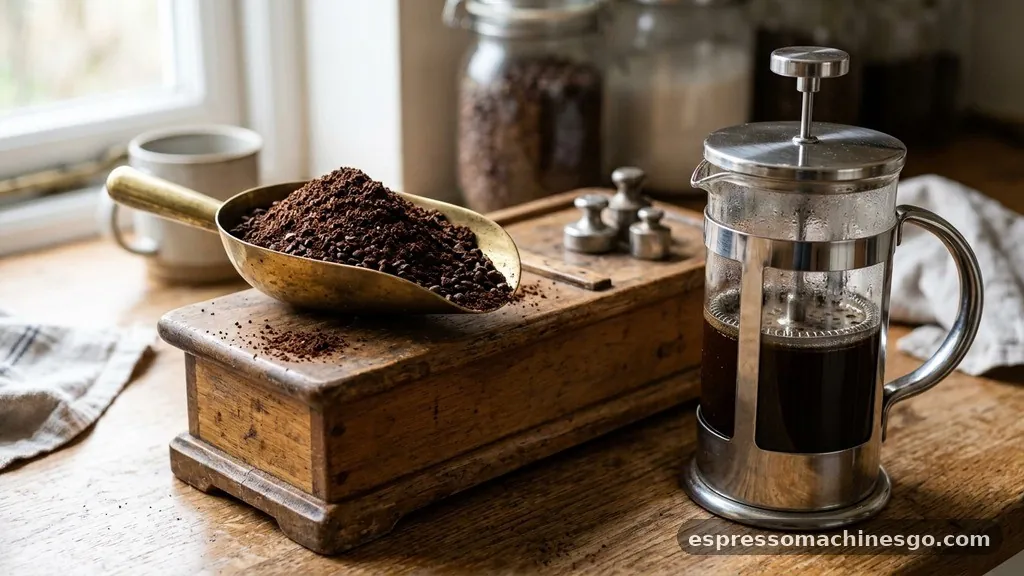
While the French Press is typically associated with a long, immersion-style brew, it can be adapted to produce a concentrated base for lattes. The secret here is to increase the amount of coffee used and decrease the total volume of water. By using a finer grind than usual—though not quite as fine as espresso—you can create a potent concentrate that mimics the strength of a double shot.
To execute this, place your finely ground coffee in the carafe and add just enough hot water to submerge the grounds. Let the mixture steep for approximately two minutes. When you finally press the filter inside the carafe, do so slowly to avoid agitating the grounds too much.
The resulting liquid will be quite thick and rich in sediment, which gives it a heavy mouthfeel reminiscent of traditional espresso. While you will not achieve the golden crema that requires high-pressure emulsification, the sheer concentration of the liquid provides a robust foundation for adding steamed milk or hot water. It is an honest, straightforward approach that emphasizes body over clarity.
Overcoming Common Challenges and Topical Gaps
One of the most frequent questions regarding how to make espresso without machine setups is whether it is possible to achieve the elusive layer of crema without an electric pump. The truth is that true crema—the stable, golden foam found on a professional shot—is a byproduct of carbon dioxide being forced into an emulsion by high pressure. Without a machine, you are unlikely to produce a thick, long-lasting crema.
However, you can enhance the visual appeal of your manual espresso by vigorously whisking the first few drops of the brew or by using very fresh coffee beans that have been roasted within the last week. The higher the CO2 content in the beans, the more likely you are to see a thin, fleeting layer of foam.
Another common gap involves the temperature of the water. Many home baristas use boiling water, which can scorch the grounds. For manual methods, aim for a temperature between 195°F and 205°F.
If you do not have a thermometer, simply let your kettle sit for 30 to 45 seconds after it reaches a boil before you pour the water onto the coffee. This small adjustment significantly alters the flavor profile, preventing the harsh bitterness that often plagues amateur attempts at espresso. Always ensure your equipment is pre-warmed; pouring hot coffee into a cold cup will drop the temperature too rapidly, causing the subtle flavor notes to vanish before you can enjoy the drink.
Refining Your Technique for Consistent Results
Consistency is the final hurdle in the journey of manual espresso brewing. Since you lack the digital sensors and automated timers of a machine, you must rely on your own sensory feedback. Start by logging your variables.
Note how many tablespoons of coffee you used, the exact temperature of the water, and how long you allowed the coffee to sit before applying pressure. If the brew is too bitter, coarsen your grind slightly or reduce the steep time. If it is too sour, increase the time or use a finer grind.
The beauty of manual brewing lies in this tactile relationship with the process. You aren’t just pushing a button; you are actively participating in the transformation of water and grounds into a complex elixir. Over time, you will develop an intuition for when the extraction is peaking.
You will learn to recognize the scent of a perfect draw and the resistance of a well-packed puck. Whether you are using a moka pot, an AeroPress, or a French press, the goal remains the same: to extract the maximum amount of flavor from the bean while maintaining a balance that suits your palate. With patience and practice, you will find that the lack of a machine is not a limitation, but an invitation to refine your craft and deepen your appreciation for the art of coffee.
Frequently Asked Questions
Can I make espresso with regular drip coffee grounds?
You can, but the results will likely be weak. Drip coffee is ground much coarser than espresso. For the best manual results, you should use a burr grinder to achieve a fine, uniform texture similar to table salt to ensure proper resistance during the brewing process.
How do I create crema without a machine?
True crema requires high pressure (typically 9 bars) to emulsify coffee oils. Without a machine, you cannot create authentic crema. However, using very fresh, dark-roasted beans and vigorous agitation during the brewing process can produce a thin, foam-like layer that mimics the appearance of traditional espresso crema.
What is the best manual method for a latte?
The moka pot is generally considered the best manual method for lattes. Because it produces a very strong, concentrated coffee that mimics the intensity of espresso, it holds up well when mixed with steamed or frothed milk, ensuring the coffee flavor remains prominent in your final beverage.
Why does my manual espresso taste bitter?
Bitterness usually indicates over-extraction. This happens if your grind is too fine, your water is too hot, or your steep time is too long. Try using a slightly coarser grind or reducing the water temperature by a few degrees to see if the balance of flavors improves.