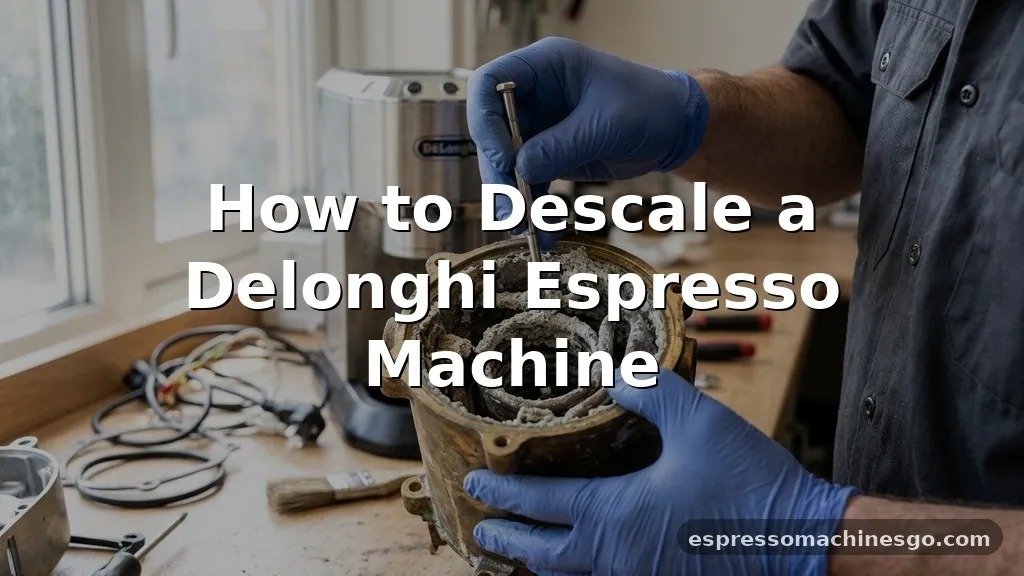
Maintaining your coffee equipment is essential for ensuring that every cup of espresso you brew tastes as fresh and flavorful as the first. Learning how to descale a delonghi espresso machine is a fundamental skill for any home barista, as it prevents the buildup of calcium deposits and mineral scale that inevitably accumulate over time.
When your machine operates with clean internal components, the water flow remains consistent, and the heating elements function at peak efficiency. Neglecting this routine maintenance can lead to bitter-tasting coffee, lukewarm temperatures, and potentially expensive recurring problems that might eventually necessitate a visit to authorized service centers.
Understanding the Importance of Descaling Your Espresso Machine
The primary reason you must regularly descale your Delonghi unit is the chemical composition of tap water. Even if you use filtered water, trace minerals are present. As the machine heats water to the high temperatures required for extraction, these minerals precipitate out, forming a hard, crusty layer known as scale on the internal boiler and tubing.
If left unchecked, this scale restricts the flow of water, which forces the pump to work harder and can cause the coffee to extract unevenly. In severe cases, the scale can completely block the internal pathways, leading to a complete system failure.
Beyond the mechanical health of the machine, scale significantly impacts your sensory experience. The presence of mineral buildup provides a surface for old coffee oils to adhere to, which can impart a stale, metallic, or burnt flavor to your fresh brews.
By performing a proper descaling cycle, you effectively strip away these deposits, restoring the machine’s ability to maintain stable brewing temperatures and pressure. This is not merely about prolonging the lifespan of the equipment; it is about ensuring that the use of your high-quality coffee beans is never compromised by a dirty internal environment.
Preparing for the Descaling Procedure
Before you begin the process, it is vital to gather the correct materials and prepare your workspace. You should always refer to the specific manual that came with your model, as instructions can vary slightly between a fully automatic Magnifica and a manual Dedica or La Specialista.
Most manufacturers strongly advise using their proprietary descaling solution. These formulas are specifically engineered to be effective against mineral buildup without corroding the internal brass or stainless steel components of your espresso maker.
If you find yourself looking for a solution, you may be tempted to use household alternatives like white vinegar. However, many experts caution against this. Vinegar can be highly acidic and difficult to rinse out completely, often leaving a persistent odor and taste that lingers in your coffee for weeks.
Always check your warranty information or the digital information certificate provided by the manufacturer. Using non-approved products or harsh chemicals can sometimes void your coverage, so it is safer to stick with the recommended descaler solution. Ensure you have a large container ready to catch the liquid that will be dispensed through the steam wand or the coffee spouts during the cycle.
Step-by-Step Execution of the Descaling Cycle
Once you have your materials, the process generally follows a standard sequence. First, empty the water tank and remove any water filter, if one is installed. Pour the descaler solution into the tank and fill it with fresh, cold water according to the ratio specified on the bottle.
Place a container with a capacity of at least one liter under the steam wand or nozzle. If you have a fully automatic model, you will typically need to navigate to the settings menu to initiate the descaling program. For manual machines, you may need to open the steam knob to allow the solution to pass through the system.
Follow these general steps to manage the process effectively:
- Power off the machine and remove the water filter to prevent damage.
- Mix the descaler with the recommended amount of water in the tank.
- Initiate the descaling mode via the control panel or by following the specific sequence for your model.
- Flush the system by allowing the solution to cycle through the internal components in intervals.
- Rinse the tank thoroughly with fresh water after the descaling phase is complete.
- Perform a final rinse cycle by running at least two full tanks of clean water through the machine to remove all traces of the chemical solution.
Troubleshooting Common Issues During Maintenance
While the process is generally straightforward, you might encounter problems descaling that require a bit of patience. For instance, if the machine stops mid-cycle, it may be due to an airlock in the pump or a sensor error. In such cases, consult virtual help resources or the brand’s virtual assistant if one is available on their website.
Many users find success by turning the machine off, waiting a few minutes, and restarting the process. If the machine simply refuses to initiate the cycle, ensure the water tank is correctly seated and that the drip tray is empty, as some models have sensors that prevent operation if the tray is full.
Should you find yourself unable to resolve an issue, do not force the machine. Excessive pressure or repeated attempts to bypass safety protocols can damage the electronics. It is always better to consult the official usage guides provided by the manufacturer.
You can often find a video demonstration on their official channel, which provides visual clarity that text alone cannot offer. If the machine displays a persistent error code, it may be time to contact an authorized service center to prevent further internal damage.
Comparative Analysis of Descaling Methods
Choosing the right approach depends on your machine type and the intensity of the mineral buildup. The table below outlines the differences between standard maintenance and emergency descaling procedures.
| Method | Frequency | Effectiveness | Risk Level |
|---|---|---|---|
| Preventative Rinse | Weekly | Low | Very Low |
| Standard Descale | Every 2-3 Months | High | Low |
| Deep Professional Clean | Annual | Maximum | Moderate (Requires Service) |
As indicated in the table, regular maintenance is the most effective way to keep your machine operational. By keeping to a schedule, you avoid the need for deep, professional cleanings that require you to ship your machine out or visit a repair shop.
Prevention is always more cost-effective than repair. For more information on water quality and its impact on household appliances, you can learn more about water quality standards through the official government environmental resources.
Answering Topical Gaps and Advanced Maintenance
A common gap in existing knowledge is how to handle machines that have been sitting unused for long periods. If your espresso maker has been stored in a garage or cupboard for months, simply running a descaling cycle might not be enough. The internal seals may have dried out, and the scale might have hardened into a block.
In these instances, you should run a pre-soak. Fill the tank with a slightly higher concentration of descaler and let it sit in the pipes for an hour before initiating the cycle. This helps soften the stubborn deposits that a standard flow-through method might miss.
Another often-overlooked aspect is the cleaning of the brewing unit itself. Even if you descale the boiler, the brewing group—the part that actually holds the coffee grounds—can become clogged with oils. You should remove the infuser unit (if your model allows) and rinse it under warm water.
Never use soap on the infuser, as it can strip the food-grade lubricant necessary for smooth operation. By combining internal descaling with external component care, you ensure that the machine remains in a state of like-new performance for years.
Frequently Asked Questions
How often should I descale my Delonghi espresso machine?
You should generally descale your machine every two to three months, depending on the hardness of your water and how frequently you use it. If you live in an area with hard water, you may need to perform the process more often to prevent mineral buildup.
Can I use vinegar to descale my Delonghi espresso machine?
It is strongly recommended that you avoid using vinegar. It can be difficult to rinse out completely, often leaving a strong, unpleasant odor and taste in your coffee. Furthermore, the acidity of vinegar may damage the internal components or void your manufacturer’s warranty.
What should I do if the descaling light stays on?
If the light remains on after you have finished, it usually means the machine did not detect the completion of the cycle. Ensure you completed the full rinse phase with clean water. If the issue persists, try resetting the machine by unplugging it for several minutes.
Do I need to use the official brand descaler?
While you can find generic alternatives, using the official descaler is the safest option. These products are specifically formulated to clean effectively without corroding internal parts, ensuring your machine remains covered under warranty and performs exactly as the engineers intended for long-term reliability.