When you start researching how much is an espresso machine, you quickly realize that the price range is vast, spanning from the cost of a fancy dinner to the price of a used economy car. Understanding this investment requires looking beyond the sticker price and evaluating the brewing technology, material quality, and the specific barista experience you want to replicate at home. Whether you are a casual fan of coffee or a budding enthusiast looking to pull the perfect shot, the cost is dictated by the complexity of the internal components and the level of automation provided.
Entry-Level Espresso Makers: The Budget-Friendly Starting Point
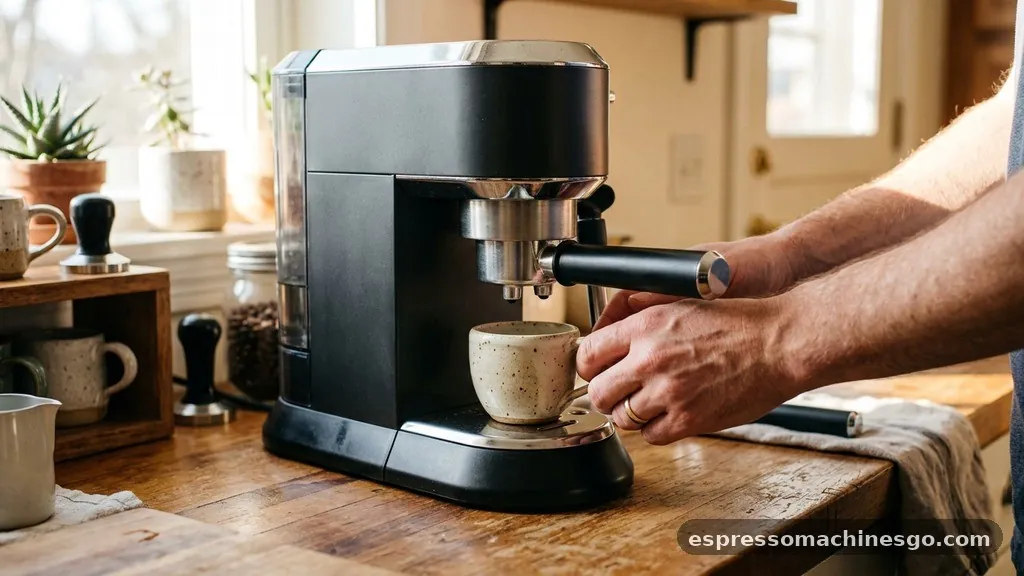
For many, the journey begins with an espresso maker in the sub-$200 range. These machines are typically designed for beginners who want to explore espresso without a massive financial commitment.
At this price point, you are generally looking at thermoblock heating systems, pressurized portafilters, and plastic-heavy construction. While these machines can produce a decent cup, they lack the thermal stability required for professional-grade extraction.
The primary trade-off when spending less on an espresso machine is the lack of precision. You might find that the steaming wand is a simple pannarello attachment, which aerates milk automatically but does not give you the control needed for delicate microfoam. These devices are perfect for those who want to get their feet wet and learn the basics of tamping and extraction.
However, if you find yourself wanting to experiment with different beans and grind sizes, you will likely hit a ceiling regarding what the equipment can achieve. Brands like De’Longhi or smaller entry-level models from Breville often dominate this space, offering functional tools that prioritize convenience over technical mastery.
Mid-Range Machines: Balancing Quality and Convenience
As you move into the $500 to $1,500 range, you enter the territory of prosumer gear. This is where the experience shifts from merely “making a drink” to true coffee craft.
In this segment, you will find machines featuring PID controllers for temperature stability, stainless steel boilers, and much more robust portafilters. This is the sweet spot for many enthusiasts because it offers the perfect marriage of automatic convenience and manual control.
Many of these machines feature a semi-automatic interface, meaning you control the start and stop of the shot, while the machine manages the pressure and temperature. You might also find integrated grinder options here, which saves counter space and ensures that your beans are ground fresh seconds before brewing.
Brands like the Lelit MaraX provide an exceptional example of this tier, offering high-end features like E61 group heads and impressive thermal management that were once reserved for commercial setups. Investing in this price bracket usually means you are looking for a machine that will last several years and provide consistent results every single morning.
Prosumer and High-End Equipment: The Professional Standard
If you are wondering how much is an espresso machine that mimics what you see in a high-end cafe, you are looking at an investment ranging from $2,000 to $6,000 and beyond. These machines are built for performance and longevity.
They often feature a dual boiler system, which allows you to brew your espresso and steam your milk simultaneously without any drop in pressure or temperature. This is essential for anyone who frequently makes multiple drinks in a row or hosts guests.
Beyond the dual boiler, these machines often include advanced features like flow control, which allows the user to manipulate the water pressure throughout the extraction process. This level of control is what separates a standard shot from a specialty coffee shop experience. Additionally, many of these units offer the ability to plumb the machine directly into your home’s water line, eliminating the need to refill a tank.
These machines are heavy, often constructed with thick brass, copper, and stainless steel, ensuring they maintain heat perfectly. When you invest at this level, you are essentially buying a piece of machinery that, with proper maintenance and support, can last for decades.
Understanding the Hidden Costs of Espresso Ownership
The price tag on the box is rarely the total cost of your investment. To pull a truly great shot, you need more than just the machine. A high-quality grinder is arguably more important than the espresso maker itself.
If your grind is inconsistent, even a $5,000 machine will struggle to produce a balanced, flavorful shot. You should budget at least $300 to $600 for a dedicated espresso grinder if you are serious about your craft.
Beyond the hardware, there are ongoing costs associated with maintenance and accessories. You will need a high-quality tamper, a distribution tool, a knock box, and various cleaning supplies like backflushing powder and descaling solutions.
Furthermore, if you want to dial in your shots like a pro, you will need a digital scale that measures in 0.1-gram increments. Neglecting these accessories can make the workflow frustrating, turning what should be a relaxing morning ritual into a chore.
| Category | Typical Price Range | Key Features |
|---|---|---|
| Entry-Level | $100 – $300 | Thermoblock, pressurized baskets, basic steam wand |
| Mid-Range | $500 – $1,500 | PID control, stainless steel boiler, semi-auto |
| Prosumer/High-End | $2,000+ | Dual boiler, flow control, plumbing options |
Why Manual Control Matters for the Enthusiast
For many, the appeal of a manual or semi-automatic machine is the sense of agency it provides. Using a machine that requires you to weigh your dose, level your grounds, and manually initiate the pump creates a tactile connection to the process. This is the right way to learn how different variables—such as grind size, dose weight, and water temperature—impact the final flavor profile in the cup.
While fully automatic machines exist, they often strip away the variables that allow a user to troubleshoot their coffee. If a shot tastes sour, a manual machine allows you to adjust the temperature or increase the contact time. If a shot is bitter, you can adjust your grind or dose.
This iterative process is what turns a casual drinker into an expert. It is an investment in skill as much as it is an investment in hardware. You can learn more about the technical standards of coffee extraction from the Specialty Coffee Association to better understand how these variables interact during the brewing process.
Addressing Common Questions and Topical Gaps
One question that often arises is whether it is worth it to buy a used machine. The market for pre-owned prosumer equipment is vibrant, and you can often find high-quality gear for 50-60% of the retail price.
However, you must be prepared to perform some basic maintenance, such as replacing gaskets or descaling the boiler. If you are not mechanically inclined, buying used might lead to unexpected repair costs.
Another gap in the conversation is the difference between home and commercial usage. A commercial machine is designed to run for 12 hours a day, pulling hundreds of shots. A home machine is optimized for heat-up time and energy efficiency.
Do not make the mistake of buying a commercial-grade machine for home use unless you have the electrical requirements (often 220V) and the space to accommodate a massive piece of equipment. Most home users are much better served by high-end prosumer models that offer similar performance in a footprint designed for a kitchen counter.
- Assess your daily consumption: Do you make one drink or five?
- Determine your counter space: Are you willing to lose a large portion of your kitchen to a machine?
- Evaluate your patience: Do you want a one-touch button or a ritualized experience?
- Consider the maintenance schedule: Are you willing to descale and backflush regularly?
FAQ: Common Questions About Espresso Machine Costs
Is owning an espresso machine worth it?
Yes, if you enjoy the process of crafting your own drinks. While the initial investment is high, you save money over time compared to buying daily cafe drinks. The quality you can achieve at home with fresh beans often surpasses what you find at chain coffee shops.
How much does a decent espresso machine cost for a beginner?
For a solid entry-level experience, plan to spend between $300 and $500. This range allows you to get a machine with a standard 58mm portafilter and a decent steam wand, which provides enough capability to actually learn the fundamentals of espresso brewing without being limited by cheap components.
Do I really need a separate grinder?
Yes, a dedicated burr grinder is essential. Espresso requires an extremely fine and consistent grind that standard blade grinders cannot achieve. Without a proper grinder, you will be unable to dial in your shots, and the machine’s quality will not matter because the extraction will be uneven and poor.
How often should I service my espresso machine?
Most home machines require a backflush with cleaning powder every week or two, depending on usage. You should also perform a full descaling of the boiler every 3 to 6 months, depending on the hardness of your local water supply and whether you use a dedicated filtration system.