

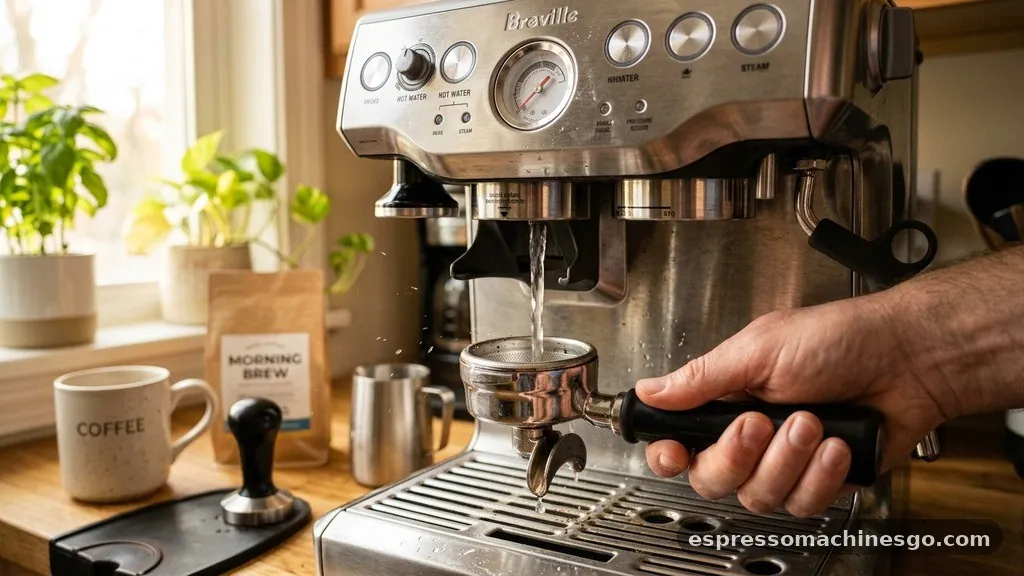
Maintaining your equipment is the most effective way to ensure that every shot of espresso you pull tastes as rich and balanced as the day you unboxed your device. Learning how to clean my Breville espresso machine is not merely a chore; it is an essential part of the brewing ritual that preserves the longevity of your hardware and the integrity of your coffee beans. Over time, residual coffee oils, mineral deposits from water, and stubborn milk proteins build up inside the internal components, which can lead to bitter flavors, inconsistent temperatures, and mechanical failure.
By implementing a consistent maintenance schedule, you ensure that your home café remains a sanctuary for quality extraction rather than a source of frustration. This article provides a deep dive into the necessary steps to keep your machine operating at peak performance, focusing on both daily habits and periodic deep cleaning procedures.
The Importance of Daily Maintenance for Espresso Quality
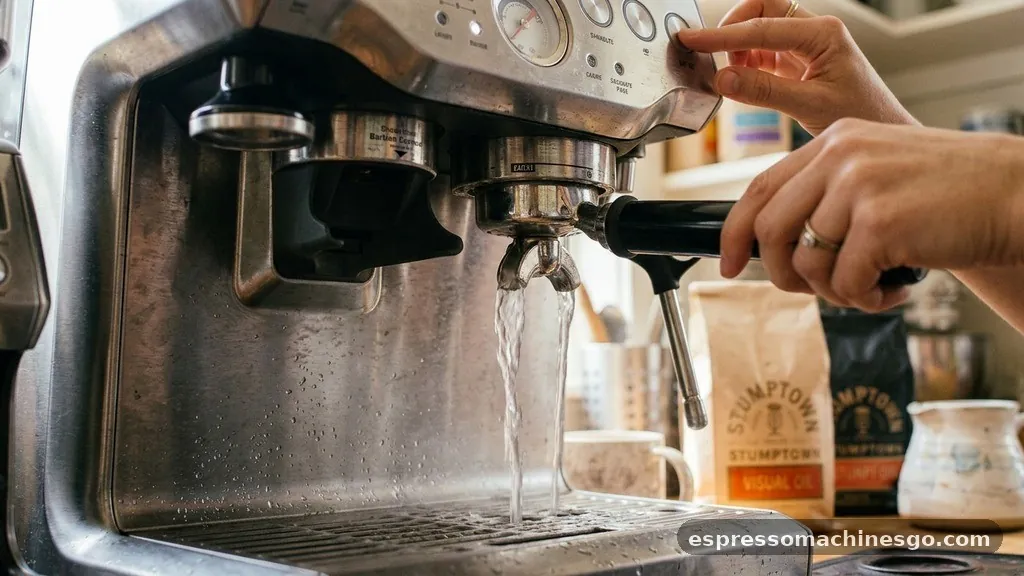
Daily maintenance is the bedrock of a long-lasting espresso experience. If you fail to perform basic cleaning tasks after every session, the oils from your coffee beans quickly turn rancid, coating the internal pathways and the group head in a sticky film that will taint the taste of your next cup. The most immediate step you should take is to purge the group head by running a short burst of water through it before and after you pull a shot.
This simple action flushes out any loose grounds that might have become trapped against the shower screen. Additionally, you must always knock out your spent espresso puck immediately after brewing. Leaving a damp, hot puck in the portafilter promotes mold growth and can cause the portafilter basket to become clogged with fines, leading to uneven resistance and poor pressure distribution.
Beyond the group head, the steam wand requires immediate attention. Every time you froth milk for a latte or cappuccino, residual milk enters the wand’s tip. If left uncleaned, this milk dries and hardens, creating a bacterial breeding ground and potentially clogging the delicate steam holes.
To prevent this, purge the steam wand into a drip tray immediately after use and wipe the exterior with a damp, microfiber cloth. If you notice a buildup of dried milk, use a dedicated cleaning pin to gently clear the holes.
Neglecting these daily habits makes the eventual deep clean much more difficult and compromises the hygiene of your coffee-making process. By treating your equipment with care, you minimize the labor required for the more intensive monthly maintenance tasks.
Executing the Automated Cleaning Cycle
Most modern Breville models, such as the Barista Express or the Oracle, are designed with a built-in cleaning cycle to handle the heavy lifting of removing coffee oils from the group head and internal valves. You should run this cycle whenever the machine alerts you, or approximately every 200 shots if you are a heavy user.
This process involves the use of specialized cleaning tablets, which are formulated to dissolve coffee residues that water alone cannot touch. To begin, insert the silicone cleaning disc into your single-shot portafilter basket, place a tablet in the center, and lock the portafilter into the group head as if you were brewing.
The machine will then initiate a series of pressurized pulses, forcing the soapy water solution through the solenoid valve and the internal piping. This backflushing process is critical for clearing out the buildup that accumulates in the three-way solenoid valve, which is responsible for releasing pressure after a shot. Without this regular clearing, the valve can become stuck, leading to water leaking or poor flow rates.
It is vital to use only the manufacturer-recommended tablets to ensure that the chemical composition is safe for the internal components and will not leave behind toxic residues. Once the cycle finishes, perform a secondary flush with fresh water to ensure no cleaning agent remains in the system. For more details on the chemistry of water and coffee extraction, you can consult the Specialty Coffee Association guidelines on water quality.
The Necessity of Descaling for Mineral Longevity
While cleaning cycles address coffee oils, descaling is the process required to remove mineral scale—primarily calcium and magnesium—that accumulates from your water supply. Even if you use a water filter, minerals will eventually build up inside the boiler, heating elements, and narrow tubes.
This buildup acts as an insulator, preventing the machine from reaching the correct brewing temperature and causing the pump to work significantly harder, which eventually leads to mechanical fatigue. Depending on the hardness of your local water, you should aim to perform this procedure every two to three months.
The process typically involves filling the water tank with a descaling solution or a mixture of white vinegar and water, though the manufacturer’s specific descaling powder is generally preferred as it is formulated to be odorless and easy to rinse. The machine will cycle this solution through the steam wand and the group head, allowing the acidic properties of the descaler to break down the mineral deposits.
After the cycle runs, it is absolutely essential to perform multiple full-tank flushes with fresh, filtered water. Failing to rinse the system thoroughly can leave a sour or chemical taste in your subsequent shots, which is a common complaint among those who do not follow the rinsing instructions carefully.
Understanding the Cleaning Schedule
To stay organized, it helps to view your maintenance tasks as a tiered system. Some things happen every time you pull a lever, while others are seasonal or based on usage volume.
| Maintenance Task | Frequency | Purpose |
|---|---|---|
| Purge Group Head | Daily | Remove loose coffee grounds |
| Wipe Steam Wand | Daily | Prevent milk buildup/bacteria |
| Empty Drip Tray | Daily/Weekly | Prevent overflow and odors |
| Run Cleaning Cycle | Every 200 shots | Remove internal coffee oils |
| Descaling Procedure | Every 2-3 months | Remove mineral/scale buildup |
| Change Water Filter | Every 2 months | Reduce scale formation |
This structured approach ensures that you never miss a critical maintenance window. By keeping a simple log or just setting a calendar reminder, you can avoid the “forgotten maintenance” trap that leads to expensive repairs.
Addressing Common Cleaning Misconceptions
There is often confusion regarding the use of household items like vinegar versus dedicated cleaning tablets. Many users ask if they can simply use white vinegar to clean their machine. While vinegar is an effective descaling agent due to its acetic acid content, it is notoriously difficult to rinse out completely.
The smell and taste of vinegar can linger in the boiler and tubing for weeks, ruining the flavor profile of your delicate single-origin beans. Furthermore, concentrated vinegar can be harsh on certain rubber gaskets and seals inside the machine. It is significantly safer and more effective to use the official cleaning powders and tablets provided by the manufacturer.
Another misconception is that the “filter” in the water tank is enough to prevent all maintenance needs. While these charcoal-based filters are excellent at removing chlorine and reducing some mineral content, they are not a permanent solution to scale. They eventually become saturated and stop working, and they do not replace the need for an occasional deep descaling cycle.
Treating the water filter as a “set and forget” item is a recipe for internal damage. Always replace these filters according to the manufacturer’s suggested interval, typically every two months, to ensure your water quality remains high.
Topical Gaps: Cleaning the Grinder and Portafilter
One area often overlooked in generic guides is the maintenance of the built-in conical burr grinder and the portafilter components. If you do not clean the grinder, old coffee dust accumulates in the chute, which can lead to stale-tasting coffee and even blockages that force the motor to strain.
You should remove the top burr regularly—perhaps once a month—and use a stiff brush or a vacuum to remove all trapped grounds. Do not use water on the burrs; moisture will cause them to rust and dull the blades prematurely.
Regarding the portafilter, it is not enough to just rinse the basket. You should occasionally soak the entire metal portafilter head (excluding the plastic handle) in a hot water solution with a small amount of espresso machine detergent. This removes the “varnish” of old coffee oils that builds up on the bottom of the basket and the spout.
You will be surprised at how much gunk is hidden in these areas. Additionally, ensure you check the group head gasket; if it starts to look frayed or feels hard to the touch, it is time for a replacement. A worn gasket will prevent a proper seal, leading to leaking around the portafilter handle during extraction.
Optimizing Your Workflow for Long-Term Success
To truly keep your barista station in top shape, integrate these tasks into your existing routine so they become second nature. When you are finished with your morning coffee, make the final rinse and wipe-down part of the process before you leave the kitchen.
By the time you sit down to enjoy your beverage, the machine is already clean and ready for the next session. This proactive mindset prevents the buildup that causes the most common mechanical failures.
Remember that your Breville is a high-precision tool. Like a luxury car, it requires regular lubrication and cleaning to perform at its best. If you notice the flow rate slowing down or the pressure gauge failing to reach the “espresso range,” treat it as a signal that a complete cleaning is overdue.
By paying attention to these subtle cues, you can often diagnose and fix issues before they require a professional repair technician. Consistency is the primary factor that separates a machine that lasts for years from one that fails after only a few months of heavy use.
Frequently Asked Questions
How often should I run the cleaning cycle on my Breville?
You should run the automated cleaning cycle whenever the “Clean Me” light illuminates on your machine, or approximately every 200 shots. This ensures that internal coffee oils and residues are removed from the solenoid valve and brew head, preventing bitter flavors and mechanical clogs.
Can I clean my machine without using the official tablets?
It is highly recommended to use the official cleaning tablets. These are specifically formulated to be food-safe, effective at dissolving coffee oils, and non-corrosive to the machine’s internal seals. Alternative household cleaners may leave lingering odors or damage the delicate components inside your espresso machine.
Why is my espresso machine leaking around the portafilter?
Leaking around the portafilter usually indicates a worn-out group head gasket or a buildup of coffee grounds on the seal. First, thoroughly clean the group head and the rim of the portafilter. If the leak persists, the rubber gasket has likely hardened or cracked and needs replacement.
How do I know if my machine needs descaling?
Your machine needs descaling if you notice reduced water flow, inconsistent temperatures, or excessive noise during the pump operation. Even without these symptoms, you should perform a descaling cycle every two to three months to prevent mineral buildup from damaging the boiler and heating elements.